
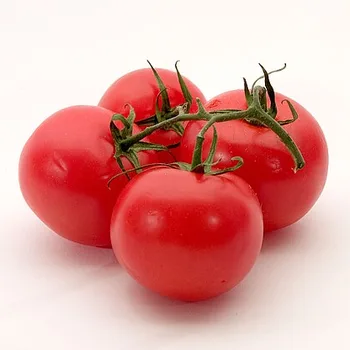
Tomato Stuffed with North Sea Grey Shrimp
Quick answer
A medium portion of Tomato Stuffed with North Sea Grey Shrimp (200 g) contains 280 kcal, with 5.2 g of net carbohydrates and 28 g of protein.
- Carbs8 g10.8%
- Protein28 g37.7%
- Fat17 g51.5%
- Fibre2.8 g
Percentages of total energy (calories)
The most famous cold dish on the North Sea coast and in Belgium! A ripe tomato is hollowed out and filled with tiny North Sea grey shrimp mixed with a spoonful of mayonnaise, lemon juice and parsley. The dish combines lycopene, the antioxidant that gives tomatoes their red colour, with seafood protein rich in iodine, zinc and vitamin B12. It has very little available carbohydrate (about 2.6 g per 100 g), so the glycemic index does not apply, and it makes a refreshing summer starter or dinner that keeps you full without raising blood sugar. Most of its fat comes from the mayonnaise, so go easy on it.
💡 Smart Nutritional Guidance
Consumption advice
One large stuffed tomato (200 g, about 280 kcal and 28 g protein).
Best preparation methods
Mix the shrimp with one spoonful of mayonnaise plus a spoonful of Greek yogurt and lemon juice to cut the fat while keeping the flavour, and serve with a green salad.
Important Nutritional Note
Not suitable for people with a shellfish allergy. Home-made mayonnaise is made with raw egg, so in pregnancy use shop-bought mayonnaise made with pasteurised egg. Shrimp boiled in seawater are naturally salty.
Nutrition facts
| Nutrient | Per 100 g | Per typical portion (200 g) |
|---|---|---|
| Calories | 140 kcal | 280 kcal |
| Protein | 14 g | 28 g |
| Carbohydrate | 4 g | 8 g |
| Available carbohydrate | 2.6 g | 5.2 g |
| Fat | 8.5 g | 17 g |
| Dietary fibre | 1.4 g | 2.8 g |
The typical portion is approximate, for comparison purposes.
Comparison & smarter alternatives
It has 140 kcal per 100 g, ranking 7 of 14 in Salads (lowest first).
Related foods from the same family:
Frequently asked questions
Is Tomato Stuffed with North Sea Grey Shrimp good for weight loss?
It can be a useful part of a weight-loss plan because it provides 10 g of protein per 100 kcal, and protein supports fullness. A 200 g portion gives 280 kcal.
How does Tomato Stuffed with North Sea Grey Shrimp affect blood sugar?
Tomato Stuffed with North Sea Grey Shrimp contains only 2.6 g of available carbohydrate per 100 g, so the glycemic index does not apply and its direct effect on blood sugar is minimal. The meal’s effect depends on what you eat with it, such as bread, rice or sweetened sauces.
What is the nutritional value of a typical portion of Tomato Stuffed with North Sea Grey Shrimp?
A typical 200 g portion of Tomato Stuffed with North Sea Grey Shrimp provides about 280 kcal, 28 g protein, 8 g carbohydrate, 17 g fat and 2.8 g fibre.
Is mayonnaise fine with diabetes and insulin resistance?
Mayonnaise made from egg and oil without added sugar does not raise blood sugar, but it is very high in calories, so stick to one spoonful, or mix it with Greek yogurt.
Does this dish suit a keto diet?
Yes, it is a classic keto dish: very low in carbohydrate, with filling protein and fat from the mayonnaise.
What makes North Sea grey shrimp different from other shrimp?
They are small, with a strong, sweet sea flavour; they are wild-caught rather than farmed, and are usually boiled in seawater on board right after the catch.
Read also
References & Scientific Sources
- The glycemic index does not apply because this food has less than 5 g of available carbohydrate per 100 g, and a GI test requires 25 to 50 g of available carbohydrate, per: ISO 26642:2010. Food products — Determination of the glycaemic index (GI) and recommendation for food classification. International Organization for Standardization; 2010. www.iso.org/standard/43633.html
- Definition of available carbohydrate and glycemic load: FAO/WHO. Carbohydrates in human nutrition: report of a joint FAO/WHO expert consultation. FAO Food and Nutrition Paper 66. Rome; 1998. www.fao.org/4/w8079e/w8079e00.htm
Reviewed by Dr. Wassim Habib · Last reviewed 21 October 2026
Disclaimer: This guidance is for nutritional lifestyle orientation and does not constitute a diagnostic medical device under EU Regulation MDR 2017/745.