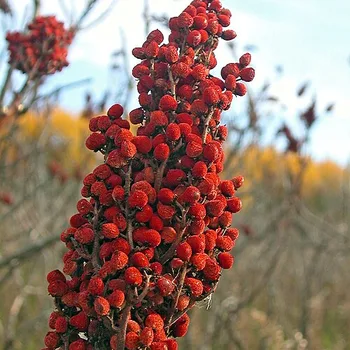
Sumac
The tangy crimson powder that defines Levantine cooking and heritage dishes such as musakhan and fattoush: ground wild sumac berries. The carbohydrate in a seasoning spoonful is very low and the glycemic index does not apply; one of the spices richest in tannins and antioxidants.
Glycemic index
Glycemic load
Calories
Protein
💡 Smart Nutritional Guidance
Consumption advice
Sprinkle it generously over onion slices with grilled meat, savoury pastries and salads; its delicious natural tang cuts through richness and gives a sour flavour that replaces salt and vinegar.
Best preparation methods
Choose natural sumac with a deep burgundy-brown colour, free of artificial colouring and added citric acid, and enjoy its pure tangy flavour.
Important Nutritional Note
Sumac is a wonderful spice in a diet aimed at steady glucose and protection against oxidative stress, and a great way to improve flavour without adding salt or sugar.
Nutrition facts
| Nutrient | Per 100 g | Per typical portion (3 g) |
|---|---|---|
| Calories | 240 kcal | 7.2 kcal |
| Protein | 3.5 g | 0.1 g |
| Carbohydrate | 40 g | 1.2 g |
| Available carbohydrate | 26 g | 0.8 g |
| Fat | 7 g | 0.2 g |
| Dietary fibre | 14 g | 0.4 g |
The typical portion is approximate, for comparison purposes.
Comparison & smarter alternatives
It has 240 kcal per 100 g, ranking 4 of 12 in Spices & herbs (lowest first).
Related foods from the same family:
Frequently asked questions
Is Sumac good for weight loss?
It can be included in moderation: it contains 14 g of fibre per 100 g, which supports fullness, and a 3 g portion gives 7 kcal.
How does Sumac affect blood sugar?
Sumac contains only 26 g of available carbohydrate per 100 g, so the glycemic index does not apply and its direct effect on blood sugar is minimal. The meal’s effect depends on what you eat with it, such as bread, rice or sweetened sauces.
What is the nutritional value of a typical portion of Sumac?
A typical 3 g portion of Sumac provides about 7 kcal, 0.1 g protein, 1.2 g carbohydrate, 0.2 g fat and 0.4 g fibre.
Reviewed by the WiBo Health medical team · Last reviewed 13 October 2026
Disclaimer: This guidance is for nutritional lifestyle orientation and does not constitute a diagnostic medical device under EU Regulation MDR 2017/745.