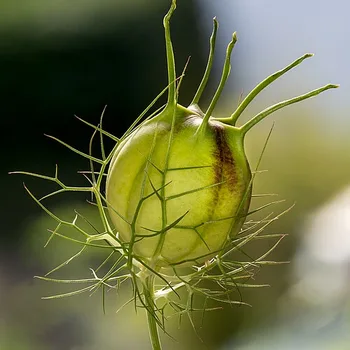
Black Seed (Nigella)
The famous black seed with centuries of traditional use: Nigella sativa seeds, rich in volatile oil and thymoquinone. Because they are eaten by the pinch or teaspoon, the glycemic index does not apply; a valued addition to a healthy diet.
Glycemic index
Glycemic load
Calories
Protein
💡 Smart Nutritional Guidance
Consumption advice
Sprinkle half a teaspoon of nigella seeds over breakfast dishes such as white cheese, labneh and eggs, or knead them into healthy baked goods for flavour and a pleasant crunch.
Best preparation methods
Grind the seeds or chew them well, as the hard seed coat can stop the thymoquinone inside from being absorbed if the seeds are swallowed whole.
Important Nutritional Note
Thymoquinone is associated with a healthy immune system, flexible blood vessels and metabolic balance; eating nigella in normal food amounts lets you enjoy it safely.
Nutrition facts
| Nutrient | Per 100 g | Per typical portion (3 g) |
|---|---|---|
| Calories | 345 kcal | 10.3 kcal |
| Protein | 16 g | 0.5 g |
| Carbohydrate | 52 g | 1.6 g |
| Available carbohydrate | 44 g | 1.3 g |
| Fat | 15 g | 0.4 g |
| Dietary fibre | 8 g | 0.2 g |
The typical portion is approximate, for comparison purposes.
Comparison & smarter alternatives
It has 345 kcal per 100 g, ranking 11 of 12 in Spices & herbs (lowest first).
Related foods from the same family:
Frequently asked questions
Is Black Seed (Nigella) good for weight loss?
It can be included in moderation: it contains 8 g of fibre per 100 g, which supports fullness, and a 3 g portion gives 10 kcal.
How does Black Seed (Nigella) affect blood sugar?
Black Seed (Nigella) contains only 44 g of available carbohydrate per 100 g, so the glycemic index does not apply and its direct effect on blood sugar is minimal. The meal’s effect depends on what you eat with it, such as bread, rice or sweetened sauces.
What is the nutritional value of a typical portion of Black Seed (Nigella)?
A typical 3 g portion of Black Seed (Nigella) provides about 10 kcal, 0.5 g protein, 1.6 g carbohydrate, 0.4 g fat and 0.2 g fibre.
Reviewed by the WiBo Health medical team · Last reviewed 13 October 2026
Disclaimer: This guidance is for nutritional lifestyle orientation and does not constitute a diagnostic medical device under EU Regulation MDR 2017/745.