
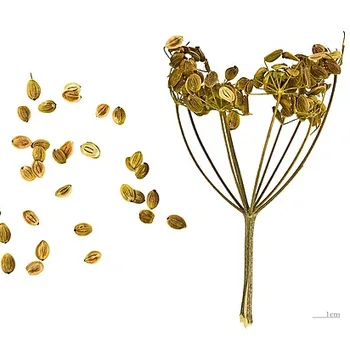
Oven-Roasted Parsnips
Quick answer
A medium portion of Oven-Roasted Parsnips (150 g) contains 112 kcal, with 19.6 g of net carbohydrates and 1.8 g of protein. Its glycemic index is 65 (Medium) for how fast it raises blood sugar, while its glycemic load per portion is 12.8 (Medium) for its actual effect.
- Carbs27 g90.6%
- Protein1.8 g6%
- Fat0.4 g3.4%
- Fibre7.4 g
Percentages of total energy (calories)
Parsnip is a traditional winter root vegetable that was one of Europe’s sources of sweetness before potatoes and cane sugar spread. It looks like a carrot but is cream-coloured, with a sweet, earthy taste and a hint of warm spice. It provides 4.9g of fibre per 100g along with vitamin C and folate. Roasting, however, concentrates its natural sugars and pushes its glycemic index into the medium range compared with leafy vegetables, so anyone managing diabetes should keep an eye on the portion.
💡 Smart Nutritional Guidance
Consumption advice
A 150g portion (about 112 kcal) is a warming autumn dish that satisfies a craving for carbohydrate without turning to baked goods or processed sweets.
Best preparation methods
Cut it into thick batons and roast it with carrot, courgette, a pinch of thyme and olive oil: mixing it with watery vegetables lowers the glycemic load of the whole tray.
Important Nutritional Note
After roasting its glycemic index is medium (about 65), so people with diabetes should not eat it on its own but with a protein source such as grilled fish or chicken to soften the glucose rise.
Nutrition facts
| Nutrient | Per 100 g | Per typical portion (150 g) |
|---|---|---|
| Calories | 75 kcal | 112.5 kcal |
| Protein | 1.2 g | 1.8 g |
| Carbohydrate | 18 g | 27 g |
| Available carbohydrate | 13.1 g | 19.6 g |
| Fat | 0.3 g | 0.4 g |
| Dietary fibre | 4.9 g | 7.4 g |
The typical portion is approximate, for comparison purposes.
Comparison & smarter alternatives
Among the foods in Vegetables with a glycemic index (21), it ranks 19 (lowest first).
Smart alternatives from the same family:
Frequently asked questions
Is Oven-Roasted Parsnips good for weight loss?
It can be included in moderation: it contains 4.9 g of fibre per 100 g, which supports fullness, and a 150 g portion gives 113 kcal.
How does Oven-Roasted Parsnips affect blood sugar?
Its glycemic index is 65 (Medium), a clinically reviewed estimate rather than a laboratory measurement. A typical 150 g portion has a glycemic load of 12.8 (Medium), so it is best combined with protein or fibre-rich vegetables.
What is the nutritional value of a typical portion of Oven-Roasted Parsnips?
A typical 150 g portion of Oven-Roasted Parsnips provides about 113 kcal, 1.8 g protein, 27 g carbohydrate, 0.4 g fat and 7.4 g fibre.
Are parsnips good for weight loss?
Yes. They are low in calories (75 kcal per 100g) and their fibre is filling, which makes them a great alternative to rich mashed potatoes.
What is the difference between parsnips and ordinary orange carrots?
Parsnips contain more starch, natural sugar and fibre and have a warm, spicy flavour, while orange carrots are rich in beta-carotene and lower in starch.
Do parsnips fit a keto diet?
Not strict keto, as 100g contains about 13g of net carbohydrate, but they fit moderate low-carb diets. The glycemic load of 150g is about 12.8.
Read also
- HbA1c & Insulin Resistance: Comprehensive Clinical GuideArticle
- Prediabetes: How to Stop the Train and Lower Your HbA1cGuide
References & Scientific Sources
- The glycemic index of this food is a clinically reviewed estimate by the WiBo Health medical team, not a laboratory measurement from the International GI Tables (Atkinson 2021). GI bands (low ≤ 55 · medium 56–69 · high ≥ 70) follow: ISO 26642:2010. Food products — Determination of the glycaemic index (GI) and recommendation for food classification. International Organization for Standardization; 2010. www.iso.org/standard/43633.html
- Definition of available carbohydrate and glycemic load: FAO/WHO. Carbohydrates in human nutrition: report of a joint FAO/WHO expert consultation. FAO Food and Nutrition Paper 66. Rome; 1998. www.fao.org/4/w8079e/w8079e00.htm
Reviewed by the WiBo Health medical team · Last reviewed 13 October 2026
Disclaimer: This guidance is for nutritional lifestyle orientation and does not constitute a diagnostic medical device under EU Regulation MDR 2017/745.