
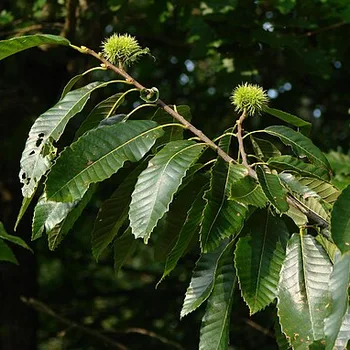
Fresh Water Chestnuts
Quick answer
A medium portion of Fresh Water Chestnuts (100 g) contains 97 kcal, with 21 g of net carbohydrates and 1.4 g of protein. Its glycemic index is 45 (Low) for how fast it raises blood sugar, while its glycemic load per portion is 9.4 (Low) for its actual effect.
- Carbs24 g93.7%
- Protein1.4 g5.5%
- Fat0.1 g0.9%
- Fibre3 g
Percentages of total energy (calories)
Despite the name, they are neither winter chestnuts nor nuts! They are the corms of a water plant that grows in freshwater ponds and marshes in Southeast Asia. The flesh inside is bright white, crunchy and juicy, just like a slice of cold green apple, with a light nutty flavour. Chefs love that they stay crunchy even after cooking in soups and hot dishes. Their calories are moderate (97 kcal per 100 g), their estimated glycemic index is low (45) and a portion has a glycemic load of 9.4 (low).
💡 Smart Nutritional Guidance
Consumption advice
A small cup of fresh, peeled slices (100 g, about 97 kcal).
Best preparation methods
Peel off the dark brown skin and cut them into thin slices: eat them raw in green salads, or add them in the last two minutes to stir-fried vegetables or soup for a distinctive Asian crunch.
Important Nutritional Note
Fresh ones differ from canned: they are juicy and almost sodium-free, while canned ones are usually kept in brine. Wash the corms well under running water before peeling, and do not eat wild, unwashed water chestnuts raw.
Nutrition facts
| Nutrient | Per 100 g | Per typical portion (100 g) |
|---|---|---|
| Calories | 97 kcal | 97 kcal |
| Protein | 1.4 g | 1.4 g |
| Carbohydrate | 24 g | 24 g |
| Available carbohydrate | 21 g | 21 g |
| Fat | 0.1 g | 0.1 g |
| Dietary fibre | 3 g | 3 g |
The typical portion is approximate, for comparison purposes.
Comparison & smarter alternatives
Among the foods in Vegetables with a glycemic index (21), it ranks 13 (lowest first).
Smart alternatives from the same family:
Frequently asked questions
Is Fresh Water Chestnuts good for weight loss?
It can be included in moderation: it contains 3 g of fibre per 100 g, which supports fullness, and a 100 g portion gives 97 kcal.
How does Fresh Water Chestnuts affect blood sugar?
Its glycemic index is 45 (Low), a clinically reviewed estimate rather than a laboratory measurement. A typical 100 g portion has a glycemic load of 9.4 (Low), so the effect of this portion on blood sugar is limited.
What is the nutritional value of a typical portion of Fresh Water Chestnuts?
A typical 100 g portion of Fresh Water Chestnuts provides about 97 kcal, 1.4 g protein, 24 g carbohydrate, 0.1 g fat and 3 g fibre.
What is the difference between fresh and canned water chestnuts?
Canned ones are usually kept in brine, so their sodium is higher and they lose some crunch, while fresh ones are juicy, crisp and rich in natural potassium. If you use canned, rinse them well with water.
Do water chestnuts help with blood pressure?
A portion contains about 580 mg of potassium with very little sodium, a helpful balance within a diet that supports healthy blood pressure.
Are they suitable for people with diabetes as a starch alternative?
Yes, in their set portion (100 g): their estimated glycemic index is 45 and the glycemic load 9.4, gentler on blood sugar than the same amount of fried potatoes or white bread.
Read also
- Prediabetes: How to Stop the Train and Lower Your HbA1cGuide
- Gestational Diabetes Guide: Normal Levels and Foods to EatGuide
References & Scientific Sources
- The glycemic index of this food is a clinically reviewed estimate by the WiBo Health medical team, not a laboratory measurement from the International GI Tables (Atkinson 2021). GI bands (low ≤ 55 · medium 56–69 · high ≥ 70) follow: ISO 26642:2010. Food products — Determination of the glycaemic index (GI) and recommendation for food classification. International Organization for Standardization; 2010. www.iso.org/standard/43633.html
- Definition of available carbohydrate and glycemic load: FAO/WHO. Carbohydrates in human nutrition: report of a joint FAO/WHO expert consultation. FAO Food and Nutrition Paper 66. Rome; 1998. www.fao.org/4/w8079e/w8079e00.htm
Reviewed by Dr. Wassim Habib · Last reviewed 20 October 2026
Disclaimer: This guidance is for nutritional lifestyle orientation and does not constitute a diagnostic medical device under EU Regulation MDR 2017/745.