
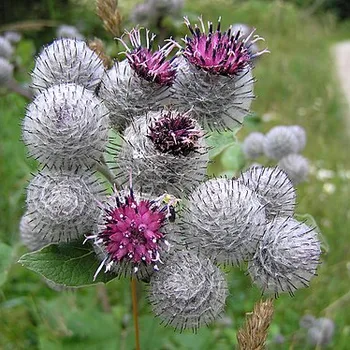
Cooked Burdock Root (Gobo)
Quick answer
A medium portion of Cooked Burdock Root (Gobo) (100 g) contains 72 kcal, with 14 g of net carbohydrates and 1.5 g of protein. Its glycemic index is 30 (Low) for how fast it raises blood sugar, while its glycemic load per portion is 4.2 (Low) for its actual effect.
- Carbs17.3 g89.9%
- Protein1.5 g7.8%
- Fat0.2 g2.3%
- Fibre3.3 g
Percentages of total energy (calories)
Burdock root, known in Japan as gobo, has a special place in traditional Japanese cooking. These long, thin roots with brown skin and firm, fibrous flesh have a distinctive earthy, nutty flavour. They contain inulin fibre, chlorogenic acid and antioxidant polyphenols that feed beneficial colon bacteria and support regular bowel movements, with 3.3g of fibre and about 72 kcal per 100g, which makes burdock a good choice in blood-sugar-friendly diets.
💡 Smart Nutritional Guidance
Consumption advice
A 100g portion makes an excellent warm side dish twice a week and suits insulin-resistance and type 2 diabetes diets, as well as anyone looking for gut-friendly fibre.
Best preparation methods
Scrape the skin with the back of a knife rather than peeling it all off (most antioxidants sit just underneath), cut into thin matchsticks and stir-fry with carrot, sesame oil and toasted sesame seeds (kinpira gobo).
Important Nutritional Note
Burdock has a mild diuretic effect and contains oxalates, so drink plenty of water and be careful if you have kidney stones. Buy it from a reliable source and do not forage it, because it can be confused with the roots of poisonous plants.
Nutrition facts
| Nutrient | Per 100 g | Per typical portion (100 g) |
|---|---|---|
| Calories | 72 kcal | 72 kcal |
| Protein | 1.5 g | 1.5 g |
| Carbohydrate | 17.3 g | 17.3 g |
| Available carbohydrate | 14 g | 14 g |
| Fat | 0.2 g | 0.2 g |
| Dietary fibre | 3.3 g | 3.3 g |
The typical portion is approximate, for comparison purposes.
Comparison & smarter alternatives
Among the foods in Vegetables with a glycemic index (21), it ranks 8 (lowest first).
Smart alternatives from the same family:
Frequently asked questions
Is Cooked Burdock Root (Gobo) good for weight loss?
It can be included in moderation: it contains 3.3 g of fibre per 100 g, which supports fullness, and a 100 g portion gives 72 kcal.
How does Cooked Burdock Root (Gobo) affect blood sugar?
Its glycemic index is 30 (Low), a clinically reviewed estimate rather than a laboratory measurement. A typical 100 g portion has a glycemic load of 4.2 (Low), so the effect of this portion on blood sugar is limited.
What is the nutritional value of a typical portion of Cooked Burdock Root (Gobo)?
A typical 100 g portion of Cooked Burdock Root (Gobo) provides about 72 kcal, 1.5 g protein, 17.3 g carbohydrate, 0.2 g fat and 3.3 g fibre.
How does burdock root help people with diabetes?
Its glycemic index is low (30), the glycemic load of 100g is about 4.2, and its inulin fibre slows the absorption of sugars in the gut.
Does burdock help clear skin and acne?
Burdock is used in traditional medicine for skin problems, but there is not enough scientific evidence that eating it treats acne or eczema. Treat it as a nutritious vegetable, not a skin remedy.
Is burdock good for weight loss?
Yes. Its firm fibre needs longer chewing, and inulin adds to the feeling of fullness, all for moderate calories.
Read also
- Prediabetes: How to Stop the Train and Lower Your HbA1cGuide
- Gestational Diabetes Guide: Normal Levels and Foods to EatGuide
References & Scientific Sources
- The glycemic index of this food is a clinically reviewed estimate by the WiBo Health medical team, not a laboratory measurement from the International GI Tables (Atkinson 2021). GI bands (low ≤ 55 · medium 56–69 · high ≥ 70) follow: ISO 26642:2010. Food products — Determination of the glycaemic index (GI) and recommendation for food classification. International Organization for Standardization; 2010. www.iso.org/standard/43633.html
- Definition of available carbohydrate and glycemic load: FAO/WHO. Carbohydrates in human nutrition: report of a joint FAO/WHO expert consultation. FAO Food and Nutrition Paper 66. Rome; 1998. www.fao.org/4/w8079e/w8079e00.htm
Reviewed by the WiBo Health medical team · Last reviewed 13 October 2026
Disclaimer: This guidance is for nutritional lifestyle orientation and does not constitute a diagnostic medical device under EU Regulation MDR 2017/745.