
Cooked Black Salsify
Quick answer
A medium portion of Cooked Black Salsify (150 g) contains 123 kcal, with 23.1 g of net carbohydrates and 4.9 g of protein. Its glycemic index is 25 (Low) for how fast it raises blood sugar, while its glycemic load per portion is 5.8 (Low) for its actual effect.
- Carbs28 g83.3%
- Protein4.9 g14.7%
- Fat0.3 g2%
- Fibre4.9 g
Percentages of total energy (calories)
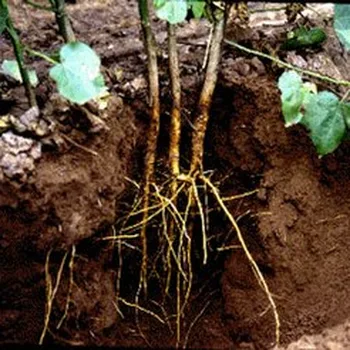
Black salsify (known in the Netherlands as schorseneren and nicknamed “winter asparagus” or “poor man’s asparagus”) is a winter root with rough black skin that hides smooth white flesh, which releases a milky sap when peeled. Its delicate flavour resembles asparagus with a nutty touch. It contains soluble inulin fibre and potassium, and its effect on blood sugar is gentle, with a low glycemic index (25) and 82 kcal per 100g, making it a good winter vegetable for people with diabetes.
💡 Smart Nutritional Guidance
Consumption advice
A 150g portion is a fibre- and mineral-rich meal that fits the Mediterranean diet, insulin-resistance diets and anyone working on their HbA1c.
Best preparation methods
The skin releases a sticky sap that stains your hands, so wear gloves and peel under running water, drop the pieces straight into water with lemon to stop them darkening, then boil for about 20 minutes until tender and serve with lemon and olive oil.
Important Nutritional Note
Like other inulin-rich roots, salsify can cause passing gas if your gut is not used to fibre. Start with a moderate portion and chew well.
Nutrition facts
| Nutrient | Per 100 g | Per typical portion (150 g) |
|---|---|---|
| Calories | 82 kcal | 123 kcal |
| Protein | 3.3 g | 4.9 g |
| Carbohydrate | 18.7 g | 28 g |
| Available carbohydrate | 15.4 g | 23.1 g |
| Fat | 0.2 g | 0.3 g |
| Dietary fibre | 3.3 g | 4.9 g |
The typical portion is approximate, for comparison purposes.
Comparison & smarter alternatives
Among the foods in Vegetables with a glycemic index (21), it ranks 7 (lowest first).
Smart alternatives from the same family:
Frequently asked questions
Is Cooked Black Salsify good for weight loss?
It can be included in moderation: it contains 3.3 g of fibre per 100 g, which supports fullness, and a 150 g portion gives 123 kcal.
How does Cooked Black Salsify affect blood sugar?
Its glycemic index is 25 (Low), a clinically reviewed estimate rather than a laboratory measurement. A typical 150 g portion has a glycemic load of 5.8 (Low), so the effect of this portion on blood sugar is limited.
What is the nutritional value of a typical portion of Cooked Black Salsify?
A typical 150 g portion of Cooked Black Salsify provides about 123 kcal, 4.9 g protein, 28 g carbohydrate, 0.3 g fat and 4.9 g fibre.
How does black salsify help people with diabetes manage glucose?
Its glycemic index is low (25) and its glycemic load is small (5.8 per 150g). Part of its carbohydrate is inulin, which is not absorbed as sugar, giving balanced energy without glucose spikes.
Does salsify help with blood pressure?
It contains potassium, which contributes to the maintenance of normal blood pressure, so it is a good addition to the DASH diet, especially when cooked without much salt.
Why is salsify called poor man’s asparagus?
Because it used to be a cheap, readily available winter substitute for expensive white asparagus, which it resembles in texture and delicate flavour.
Read also
- Prediabetes: How to Stop the Train and Lower Your HbA1cGuide
- Gestational Diabetes Guide: Normal Levels and Foods to EatGuide
References & Scientific Sources
- The glycemic index of this food is a clinically reviewed estimate by the WiBo Health medical team, not a laboratory measurement from the International GI Tables (Atkinson 2021). GI bands (low ≤ 55 · medium 56–69 · high ≥ 70) follow: ISO 26642:2010. Food products — Determination of the glycaemic index (GI) and recommendation for food classification. International Organization for Standardization; 2010. www.iso.org/standard/43633.html
- Definition of available carbohydrate and glycemic load: FAO/WHO. Carbohydrates in human nutrition: report of a joint FAO/WHO expert consultation. FAO Food and Nutrition Paper 66. Rome; 1998. www.fao.org/4/w8079e/w8079e00.htm
Reviewed by the WiBo Health medical team · Last reviewed 13 October 2026
Disclaimer: This guidance is for nutritional lifestyle orientation and does not constitute a diagnostic medical device under EU Regulation MDR 2017/745.