
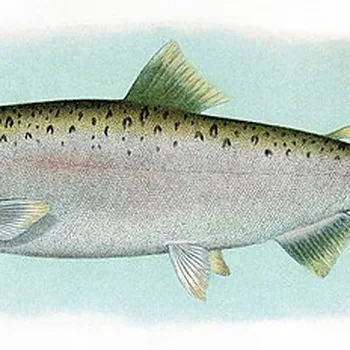
Canned Wild Pink Salmon in Water
Quick answer
A medium portion of Canned Wild Pink Salmon in Water (120 g) contains 162 kcal, with 0 g of net carbohydrates and 26.4 g of protein.
- Carbs0 g0%
- Protein26.4 g66.2%
- Fat6 g33.8%
- Fibre0 g
Percentages of total energy (calories)
The go-to choice for athletes and healthy eaters: wild Alaskan pink salmon caught in cold waters and packed in water with a pinch of salt. It provides high-quality protein with no added fat, and the small, soft, edible bones give it a good amount of calcium, more than milk per 100 g, along with the natural antioxidant astaxanthin that gives salmon its pink colour.
💡 Smart Nutritional Guidance
Consumption advice
Mash the salmon with its soft bones into a green salad to get the most calcium for healthy bones and teeth.
Best preparation methods
Mix it with a quarter of a mashed avocado, lemon juice and Dijon mustard for a creamy, healthy salmon salad without shop-bought mayonnaise.
Important Nutritional Note
Choosing salmon packed in water rather than oil gives you full control over the amount and quality of fat you add to your dish.
Nutrition facts
| Nutrient | Per 100 g | Per typical portion (120 g) |
|---|---|---|
| Calories | 135 kcal | 162 kcal |
| Protein | 22 g | 26.4 g |
| Carbohydrate | 0 g | 0 g |
| Available carbohydrate | 0 g | 0 g |
| Fat | 5 g | 6 g |
| Dietary fibre | 0 g | 0 g |
The typical portion is approximate, for comparison purposes.
Comparison & smarter alternatives
It provides 16.3 g of protein per 100 kcal, ranking 28 of 70 in Meat, fish & eggs (highest first).
Related foods from the same family:
Frequently asked questions
Does canned salmon lose its benefits compared with fresh?
Canned wild salmon keeps most of its protein and omega-3s, and it even provides more calcium thanks to the soft, edible bones.
Is wild salmon suitable for people with diabetes?
Yes, it is an excellent choice: high-quality protein and omega-3 fats linked to heart and artery health, with no glycemic load.
What is the advantage of wild salmon over farmed?
Wild salmon feeds naturally in the ocean and usually contains less total fat than farmed salmon; its pink colour comes from astaxanthin in its natural diet, whereas astaxanthin is added to the feed of farmed salmon.
Read also
References & Scientific Sources
- The glycemic index does not apply because this food has less than 5 g of available carbohydrate per 100 g, and a GI test requires 25 to 50 g of available carbohydrate, per: ISO 26642:2010. Food products — Determination of the glycaemic index (GI) and recommendation for food classification. International Organization for Standardization; 2010. www.iso.org/standard/43633.html
- Definition of available carbohydrate and glycemic load: FAO/WHO. Carbohydrates in human nutrition: report of a joint FAO/WHO expert consultation. FAO Food and Nutrition Paper 66. Rome; 1998. www.fao.org/4/w8079e/w8079e00.htm
Reviewed by the WiBo Health medical team · Last reviewed 13 October 2026
Disclaimer: This guidance is for nutritional lifestyle orientation and does not constitute a diagnostic medical device under EU Regulation MDR 2017/745.