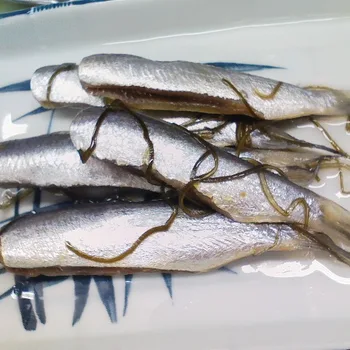
Canned Sardines
A small marine source of calcium: eating their soft bones gives the body a generous amount of natural calcium, along with protein and omega-3, with no sugar at all.
Glycemic index
Glycemic load
Calories
Protein
💡 Smart Nutritional Guidance
Consumption advice
A quick meal of outstanding value for athletes and bone health; one tin gives complete fullness and keeps your appetite in check for hours.
Best preparation methods
Drain the commercial oil from the tin, cover the sardines with extra virgin olive oil, lemon juice and black pepper, and eat them with a fork alongside cucumber and sweet pepper slices.
Important Nutritional Note
This food does not need a glycemic index, but the foods eaten with it determine the meal’s effect on blood sugar.
Nutrition facts
| Nutrient | Per 100 g | Per typical portion (90 g) |
|---|---|---|
| Calories | 208 kcal | 187.2 kcal |
| Protein | 25 g | 22.5 g |
| Carbohydrate | 0 g | 0 g |
| Available carbohydrate | 0 g | 0 g |
| Fat | 11 g | 9.9 g |
| Dietary fibre | 0 g | 0 g |
The typical portion is approximate, for comparison purposes.
Comparison & smarter alternatives
It provides 12 g of protein per 100 kcal, ranking 11 of 19 in Meat, fish & eggs (highest first).
Related foods from the same family:
Frequently asked questions
Are Canned Sardines good for weight loss?
It can be a useful part of a weight-loss plan because it provides 12 g of protein per 100 kcal, and protein supports fullness. A 90 g portion gives 187 kcal.
How do Canned Sardines affect blood sugar?
Canned Sardines contain virtually no available carbohydrate, so the glycemic index does not apply and its direct effect on blood sugar is minimal. The meal’s effect depends on what you eat with it, such as bread, rice or sweetened sauces.
What is the nutritional value of a typical portion of Canned Sardines?
A typical 90 g portion of Canned Sardines provides about 187 kcal, 22.5 g protein, 0 g carbohydrate, 9.9 g fat and 0 g fibre.
Reviewed by the WiBo Health medical team · Last reviewed 13 October 2026
Disclaimer: This guidance is for nutritional lifestyle orientation and does not constitute a diagnostic medical device under EU Regulation MDR 2017/745.