
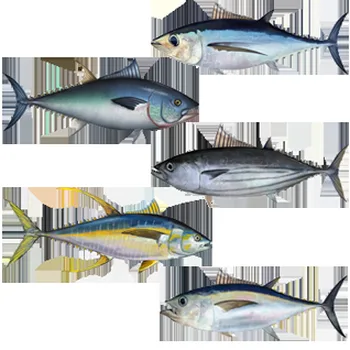
Bonito del Norte White Tuna in Olive Oil
Quick answer
A medium portion of Bonito del Norte White Tuna in Olive Oil (110 g) contains 231 kcal, with 0 g of net carbohydrates and 29.7 g of protein.
- Carbs0 g0%
- Protein29.7 g52.2%
- Fat12.1 g47.8%
- Fibre0 g
Percentages of total energy (calories)
One of the finest tunas of the Bay of Biscay and northern Spain: caught one by one with traditional lines to protect the marine environment, and preserved as firm, silky white fillets in extra virgin olive oil. Bonito del Norte has a mild, delicate flavour and a tender texture unlike flaked commercial tuna, combining high-quality protein with oleic acid fats that benefit heart and blood vessel health.
💡 Smart Nutritional Guidance
Consumption advice
The oil in the can is extra virgin olive oil that has absorbed the tuna juices; use a spoonful of it to dress your green salad instead of wasting it.
Best preparation methods
Serve it as an authentic Spanish starter with roasted sweet pepper strips, cucumber and a pinch of fine sea salt.
Important Nutritional Note
A very protein-rich food (about 30 g per portion), enough to support muscle mass and keep you full for hours.
Nutrition facts
| Nutrient | Per 100 g | Per typical portion (110 g) |
|---|---|---|
| Calories | 210 kcal | 231 kcal |
| Protein | 27 g | 29.7 g |
| Carbohydrate | 0 g | 0 g |
| Available carbohydrate | 0 g | 0 g |
| Fat | 11 g | 12.1 g |
| Dietary fibre | 0 g | 0 g |
The typical portion is approximate, for comparison purposes.
Comparison & smarter alternatives
It provides 12.9 g of protein per 100 kcal, ranking 38 of 70 in Meat, fish & eggs (highest first).
Related foods from the same family:
Frequently asked questions
What is the difference between Bonito del Norte and ordinary (skipjack) tuna?
Bonito del Norte is white (albacore) tuna with a velvety texture, finer flavour and slightly more fat, but it contains more mercury than skipjack; about one portion a week is enough, and pregnant women and children should follow their national health authority’s advice on how much to eat.
Does tuna in oil affect blood sugar?
It contains no carbohydrate, so it does not raise blood sugar, and the olive oil fats help you stay full.
Does it suit weight-loss plans?
Yes, but drain off some of the oil if you follow a strict daily calorie deficit.
Read also
References & Scientific Sources
- The glycemic index does not apply because this food has less than 5 g of available carbohydrate per 100 g, and a GI test requires 25 to 50 g of available carbohydrate, per: ISO 26642:2010. Food products — Determination of the glycaemic index (GI) and recommendation for food classification. International Organization for Standardization; 2010. www.iso.org/standard/43633.html
- Definition of available carbohydrate and glycemic load: FAO/WHO. Carbohydrates in human nutrition: report of a joint FAO/WHO expert consultation. FAO Food and Nutrition Paper 66. Rome; 1998. www.fao.org/4/w8079e/w8079e00.htm
Reviewed by the WiBo Health medical team · Last reviewed 13 October 2026
Disclaimer: This guidance is for nutritional lifestyle orientation and does not constitute a diagnostic medical device under EU Regulation MDR 2017/745.