
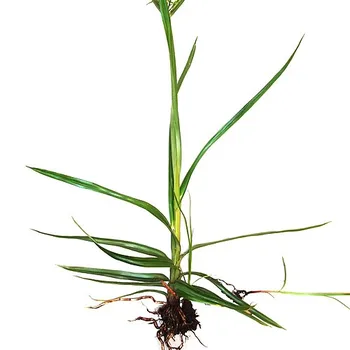
Tiger Nuts (Chufa)
Quick answer
A medium portion of Tiger Nuts (Chufa) (30 g) contains 120 kcal, with 3 g of net carbohydrates and 1.3 g of protein. Its glycemic index is 35 (Low) for how fast it raises blood sugar, while its glycemic load per portion is 1.1 (Low) for its actual effect.
- Carbs12.9 g41.4%
- Protein1.3 g4.3%
- Fat7.5 g54.2%
- Fibre9.9 g
Percentages of total energy (calories)
Despite its common name, it is neither a walnut nor any kind of nut, but small tubers that grow underground and have been known since the time of the Pharaohs! Wrinkled, earth-coloured nuggets that release a sweet, nutty flavour like almond milk and vanilla when you chew them. Their big advantage is that they are very rich in fibre (about 10 g in a 30 g portion), including resistant starch, which passes the stomach undigested and reaches the colon as food for friendly bacteria. Their estimated glycemic index is low (35) and a portion has a glycemic load of only 1.1.
💡 Smart Nutritional Guidance
Consumption advice
A small handful (30 g, about two heaped tablespoons).
Best preparation methods
Dry tiger nuts can be hard on the teeth; the trick is to soak them in cold water in the fridge for 8 to 12 hours, so they swell and become tender yet crunchy, like fresh hazelnuts. You can also grind them into a gluten-free flour for baking.
Important Nutritional Note
Because it is a tuber and not a nut, many people with nut allergies tolerate it (always read the manufacturer's label). Its fibre is very abundant, so start with a small amount (15 g) and increase gradually so your gut gets used to it without bloating.
Nutrition facts
| Nutrient | Per 100 g | Per typical portion (30 g) |
|---|---|---|
| Calories | 400 kcal | 120 kcal |
| Protein | 4.5 g | 1.3 g |
| Carbohydrate | 43 g | 12.9 g |
| Available carbohydrate | 10 g | 3 g |
| Fat | 25 g | 7.5 g |
| Dietary fibre | 33 g | 9.9 g |
The typical portion is approximate, for comparison purposes.
Comparison & smarter alternatives
Among the foods in Nuts & seeds with a glycemic index (20), it ranks 19 (lowest first).
Smart alternatives from the same family:
Frequently asked questions
Is Tiger Nuts (Chufa) good for weight loss?
Tiger Nuts (Chufa) provides 400 kcal per 100 g, so it is high in calories and fits a weight-loss plan only in small, measured amounts; a 30 g portion gives 120 kcal.
How does Tiger Nuts (Chufa) affect blood sugar?
Its glycemic index is 35 (Low), a clinically reviewed estimate rather than a laboratory measurement. A typical 30 g portion has a glycemic load of 1.1 (Low), so the effect of this portion on blood sugar is limited.
What is the nutritional value of a typical portion of Tiger Nuts (Chufa)?
A typical 30 g portion of Tiger Nuts (Chufa) provides about 120 kcal, 1.3 g protein, 12.9 g carbohydrate, 7.5 g fat and 9.9 g fibre.
What is the resistant starch in tiger nuts and how does it help blood sugar?
It is starch that resists digestive enzymes, so it does not quickly turn into glucose; instead, friendly gut bacteria feed on it and produce short-chain fatty acids such as butyrate. Research suggests these may help improve insulin sensitivity, so tiger nuts are a smart addition to a balanced diet.
Is horchata made from tiger nuts healthy for people with diabetes?
If you make it at home by soaking the nuts, blending them with water and straining, with a pinch of cinnamon and no sugar, it is a suitable creamy plant drink. But beware of ready-made bottles in the supermarket, which are often heavily sweetened; check them with the boodi app.
Is tiger nut flour good for healthy baking?
Yes: it is gluten-free, rich in fibre and naturally sweet, which reduces the need for sugar. It is not low enough in carbohydrate for strict keto, though, so use it in balanced flour blends.
Read also
- The Hidden Thyroid SluggishnessArticle
- Prediabetes: How to Stop the Train and Lower Your HbA1cGuide
- Gestational Diabetes Guide: Normal Levels and Foods to EatGuide
References & Scientific Sources
- The glycemic index of this food is a clinically reviewed estimate by the WiBo Health medical team, not a laboratory measurement from the International GI Tables (Atkinson 2021). GI bands (low ≤ 55 · medium 56–69 · high ≥ 70) follow: ISO 26642:2010. Food products — Determination of the glycaemic index (GI) and recommendation for food classification. International Organization for Standardization; 2010. www.iso.org/standard/43633.html
- Definition of available carbohydrate and glycemic load: FAO/WHO. Carbohydrates in human nutrition: report of a joint FAO/WHO expert consultation. FAO Food and Nutrition Paper 66. Rome; 1998. www.fao.org/4/w8079e/w8079e00.htm
Reviewed by Dr. Wassim Habib · Last reviewed 20 October 2026
Disclaimer: This guidance is for nutritional lifestyle orientation and does not constitute a diagnostic medical device under EU Regulation MDR 2017/745.