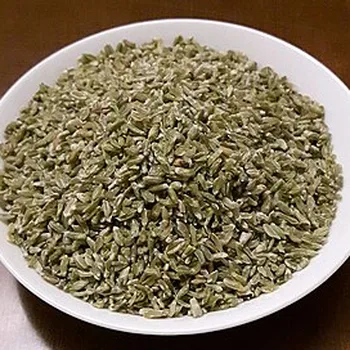
Freekeh
Grains & starchesA heritage treasure of the Levant: green wheat harvested early and roasted, which makes it rich in protein and iron, with twice the fibre of brown rice and a comfortably low glycemic index (43) that suits people with diabetes well.
Glycemic index
Glycemic load
Calories
Protein
💡 Smart Nutritional Guidance
Consumption advice
A superb alternative to white rice in chicken and meat dishes; its delicious smoky flavour and firm texture make it a rich, filling family meal.
Best preparation methods
Cook it in a natural, low-fat chicken broth with onion, a pinch of cinnamon and black pepper, over low heat until it absorbs the broth and turns tender.
Important Nutritional Note
For people with diabetes or insulin resistance, it is always recommended to consider the total glycemic load (GL) of the meal rather than relying on the glycemic index alone.
Nutrition facts
| Nutrient | Per 100 g | Per typical portion (150 g) |
|---|---|---|
| Calories | 130 kcal | 195 kcal |
| Protein | 5 g | 7.5 g |
| Carbohydrate | 26 g | 39 g |
| Available carbohydrate | 18 g | 27 g |
| Fat | 0.8 g | 1.2 g |
| Dietary fibre | 8 g | 12 g |
The typical portion is approximate, for comparison purposes.
Comparison & smarter alternatives
Among the foods in Grains & starches with a glycemic index (20), it ranks 3 (lowest first).
Smart alternatives from the same family:
Frequently asked questions
Is Freekeh good for weight loss?
It can be included in moderation: it contains 8 g of fibre per 100 g, which supports fullness, and a 150 g portion gives 195 kcal.
How does Freekeh affect blood sugar?
Its glycemic index is 43 (Low), a clinically reviewed estimate rather than a laboratory measurement. A typical 150 g portion has a glycemic load of 11.6 (Medium), so it is best combined with protein or fibre-rich vegetables.
What is the nutritional value of a typical portion of Freekeh?
A typical 150 g portion of Freekeh provides about 195 kcal, 7.5 g protein, 39 g carbohydrate, 1.2 g fat and 12 g fibre.
Reviewed by the WiBo Health medical team · Last reviewed 13 October 2026
Disclaimer: This guidance is for nutritional lifestyle orientation and does not constitute a diagnostic medical device under EU Regulation MDR 2017/745.