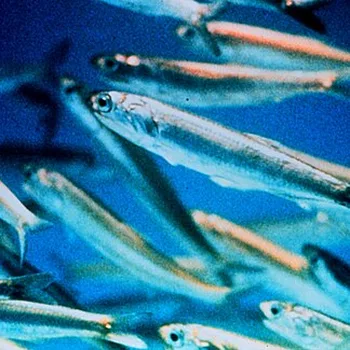
Anchovies
Small silver fish packed with flavour: a mainstay of Caesar dressing and Neapolitan pizza. Anchovies are lean marine protein with no starch, the glycemic index does not apply, and they are full of omega-3, calcium and iron.
Glycemic index
Glycemic load
Calories
Protein
💡 Smart Nutritional Guidance
Consumption advice
Mash one or two fillets into salad dressings and sauces for a deep umami flavour without artificial flavour enhancers.
Best preparation methods
Soak anchovy fillets in cold water or olive oil for a few minutes before use to remove some of the excess salt, and enjoy them finely chopped.
Important Nutritional Note
⚠️ Sodium warning: canned anchovies are very salty, so people with high blood pressure or kidney disease should eat them with great care and only in very small amounts.
Nutrition facts
| Nutrient | Per 100 g | Per typical portion (15 g) |
|---|---|---|
| Calories | 131 kcal | 19.6 kcal |
| Protein | 20.4 g | 3.1 g |
| Carbohydrate | 0 g | 0 g |
| Available carbohydrate | 0 g | 0 g |
| Fat | 4.8 g | 0.7 g |
| Dietary fibre | 0 g | 0 g |
The typical portion is approximate, for comparison purposes.
Comparison & smarter alternatives
It provides 15.6 g of protein per 100 kcal, ranking 9 of 19 in Meat, fish & eggs (highest first).
Related foods from the same family:
Frequently asked questions
Are Anchovies good for weight loss?
It can be a useful part of a weight-loss plan because it provides 15.6 g of protein per 100 kcal, and protein supports fullness. A 15 g portion gives 20 kcal.
How do Anchovies affect blood sugar?
Anchovies contain virtually no available carbohydrate, so the glycemic index does not apply and its direct effect on blood sugar is minimal. The meal’s effect depends on what you eat with it, such as bread, rice or sweetened sauces.
What is the nutritional value of a typical portion of Anchovies?
A typical 15 g portion of Anchovies provides about 20 kcal, 3.1 g protein, 0 g carbohydrate, 0.7 g fat and 0 g fibre.
Reviewed by the WiBo Health medical team · Last reviewed 13 October 2026
Disclaimer: This guidance is for nutritional lifestyle orientation and does not constitute a diagnostic medical device under EU Regulation MDR 2017/745.