
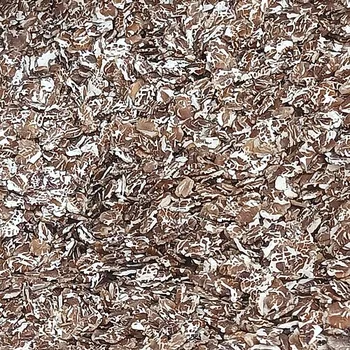
Whole Rye Flakes
Quick answer
A medium portion of Whole Rye Flakes (40 g) contains 128 kcal, with 20.6 g of net carbohydrates and 3.8 g of protein. Its glycemic index is 45 (Low) for how fast it raises blood sugar, while its glycemic load per portion is 9.3 (Low) for its actual effect.
- Carbs26 g82.7%
- Protein3.8 g12.1%
- Fat0.7 g5.2%
- Fibre5.4 g
Percentages of total energy (calories)
If you get hungry soon after breakfast or notice an energy dip before lunch, whole rye flakes are an underused staple worth a place in your kitchen. The flakes keep the bran and germ of the rye grain, which are rich in complex fibres such as arabinoxylan and beta-glucan. What sets rye apart is how much fluid it absorbs in the gut, forming a thick gel that slows stomach emptying. That gives you a feeling of fullness that lasts for hours and lets carbohydrate reach the blood slowly and gradually instead of in sharp glucose spikes.
💡 Smart Nutritional Guidance
Consumption advice
A good adult portion is 40 to 50g. Introduce it gradually if you are not used to high-fibre grains, and drink plenty of water through the day so the fibre can do its job smoothly.
Best preparation methods
Because rye is a dense grain, simmer the flakes gently for 8 to 10 minutes in milk or water, or soak them overnight in yoghurt so they are soft by morning without cooking.
Important Nutritional Note
Rye flakes naturally contain gluten, so they are not suitable for coeliac disease or wheat allergy, but they are a good alternative to sweetened breakfast cereals for anyone managing diabetes or weight.
Nutrition facts
| Nutrient | Per 100 g | Per typical portion (40 g) |
|---|---|---|
| Calories | 320 kcal | 128 kcal |
| Protein | 9.5 g | 3.8 g |
| Carbohydrate | 65 g | 26 g |
| Available carbohydrate | 51.5 g | 20.6 g |
| Fat | 1.8 g | 0.7 g |
| Dietary fibre | 13.5 g | 5.4 g |
The typical portion is approximate, for comparison purposes.
Comparison & smarter alternatives
Among the foods in Grains & starches with a glycemic index (61), it ranks 12 (lowest first).
Smart alternatives from the same family:
Frequently asked questions
Is Whole Rye Flakes good for weight loss?
It can be included in moderation: it contains 13.5 g of fibre per 100 g, which supports fullness, and a 40 g portion gives 128 kcal.
How does Whole Rye Flakes affect blood sugar?
Its glycemic index is 45 (Low), a clinically reviewed estimate rather than a laboratory measurement. A typical 40 g portion has a glycemic load of 9.3 (Low), so the effect of this portion on blood sugar is limited.
What is the nutritional value of a typical portion of Whole Rye Flakes?
A typical 40 g portion of Whole Rye Flakes provides about 128 kcal, 3.8 g protein, 26 g carbohydrate, 0.7 g fat and 5.4 g fibre.
Do rye flakes raise blood sugar quickly?
No. Their glycemic index is low (45) and the glycemic load of a 40g portion is about 9.3. The high fibre content (13.5g per 100g) slows the arrival of glucose in the blood and supports steady energy without sharp swings.
Read also
- HbA1c & Insulin Resistance: Comprehensive Clinical GuideArticle
- Prediabetes: How to Stop the Train and Lower Your HbA1cGuide
- Gestational Diabetes Guide: Normal Levels and Foods to EatGuide
References & Scientific Sources
- The glycemic index of this food is a clinically reviewed estimate by the WiBo Health medical team, not a laboratory measurement from the International GI Tables (Atkinson 2021). GI bands (low ≤ 55 · medium 56–69 · high ≥ 70) follow: ISO 26642:2010. Food products — Determination of the glycaemic index (GI) and recommendation for food classification. International Organization for Standardization; 2010. www.iso.org/standard/43633.html
- Definition of available carbohydrate and glycemic load: FAO/WHO. Carbohydrates in human nutrition: report of a joint FAO/WHO expert consultation. FAO Food and Nutrition Paper 66. Rome; 1998. www.fao.org/4/w8079e/w8079e00.htm
Reviewed by the WiBo Health medical team · Last reviewed 13 October 2026
Disclaimer: This guidance is for nutritional lifestyle orientation and does not constitute a diagnostic medical device under EU Regulation MDR 2017/745.