
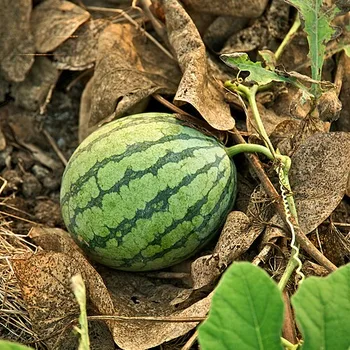
Shelled Watermelon Seeds
Quick answer
A medium portion of Shelled Watermelon Seeds (30 g) contains 167 kcal, with 3.4 g of net carbohydrates and 8.5 g of protein. Its glycemic index is 15 (Low) for how fast it raises blood sugar, while its glycemic load per portion is 0.5 (Low) for its actual effect.
- Carbs4.6 g10.2%
- Protein8.5 g18.8%
- Fat14.2 g71%
- Fibre1.2 g
Percentages of total energy (calories)
We are all used to spitting out watermelon seeds and enjoying only the red flesh, but if you knew what those little seeds hide, you would not throw a single one away! Dried, shelled and roasted, they become one of the richest plant foods in protein and magnesium: about 28% of their weight is protein, with healthy unsaturated fats and little carbohydrate. Their estimated glycemic index is only 15 and a portion has a glycemic load of 0.5, so their effect on blood sugar is very small.
💡 Smart Nutritional Guidance
Consumption advice
Two heaped tablespoons (30 g, about 167 kcal). A smart evening snack that keeps you full.
Best preparation methods
Toast them lightly in a dry pan over low heat with a pinch of cumin or garlic powder, or scatter them over soup or a green salad for a tasty crunch that replaces croutons.
Important Nutritional Note
Choose shelled seeds that are unsalted or lightly salted, because heavily salted ones push up your sodium intake. Watch the portion: they are rich in calories despite their small size.
Nutrition facts
| Nutrient | Per 100 g | Per typical portion (30 g) |
|---|---|---|
| Calories | 557 kcal | 167.1 kcal |
| Protein | 28.3 g | 8.5 g |
| Carbohydrate | 15.3 g | 4.6 g |
| Available carbohydrate | 11.3 g | 3.4 g |
| Fat | 47.4 g | 14.2 g |
| Dietary fibre | 4 g | 1.2 g |
The typical portion is approximate, for comparison purposes.
Comparison & smarter alternatives
Among the foods in Nuts & seeds with a glycemic index (20), it ranks 11 (lowest first).
Smart alternatives from the same family:
Frequently asked questions
Is Shelled Watermelon Seeds good for weight loss?
Shelled Watermelon Seeds provides 557 kcal per 100 g, so it is high in calories and fits a weight-loss plan only in small, measured amounts; a 30 g portion gives 167 kcal.
How does Shelled Watermelon Seeds affect blood sugar?
Its glycemic index is 15 (Low), a clinically reviewed estimate rather than a laboratory measurement. A typical 30 g portion has a glycemic load of 0.5 (Low), so the effect of this portion on blood sugar is limited.
What is the nutritional value of a typical portion of Shelled Watermelon Seeds?
A typical 30 g portion of Shelled Watermelon Seeds provides about 167 kcal, 8.5 g protein, 4.6 g carbohydrate, 14.2 g fat and 1.2 g fibre.
Are shelled watermelon seeds good for the heart and arteries?
They contain the amino acid arginine, which the body uses to make nitric oxide, a molecule that helps keep blood vessels flexible, plus magnesium and unsaturated fats. That makes them a good addition to a heart-friendly diet.
Do watermelon seeds make you gain weight, given a handful has about 167 kcal?
Not if you stick to the portion: their protein (8.5 g) and healthy fat fill you up and reduce cravings for random snacks. The problem only starts when you eat straight from the bag without counting.
What is the difference between raw and roasted watermelon seeds?
Light roasting gives them a crunchy, nutty flavour and may slightly reduce phytic acid, which hinders the absorption of some minerals. Most important is choosing shelled, unsalted seeds.
Read also
- The Hidden Thyroid SluggishnessArticle
- Prediabetes: How to Stop the Train and Lower Your HbA1cGuide
- Gestational Diabetes Guide: Normal Levels and Foods to EatGuide
References & Scientific Sources
- The glycemic index of this food is a clinically reviewed estimate by the WiBo Health medical team, not a laboratory measurement from the International GI Tables (Atkinson 2021). GI bands (low ≤ 55 · medium 56–69 · high ≥ 70) follow: ISO 26642:2010. Food products — Determination of the glycaemic index (GI) and recommendation for food classification. International Organization for Standardization; 2010. www.iso.org/standard/43633.html
- Definition of available carbohydrate and glycemic load: FAO/WHO. Carbohydrates in human nutrition: report of a joint FAO/WHO expert consultation. FAO Food and Nutrition Paper 66. Rome; 1998. www.fao.org/4/w8079e/w8079e00.htm
Reviewed by Dr. Wassim Habib · Last reviewed 20 October 2026
Disclaimer: This guidance is for nutritional lifestyle orientation and does not constitute a diagnostic medical device under EU Regulation MDR 2017/745.