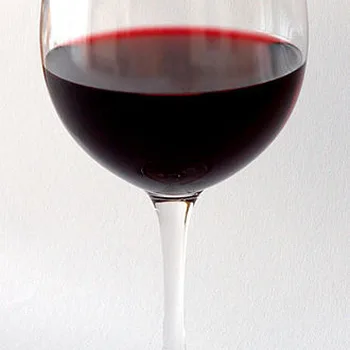
Dry Red Wine
A fermented drink made from red grape juice, known in Western research for resveratrol and polyphenols from grape skins. Its remaining sugar is low and the glycemic index does not apply, but its energy comes entirely from alcohol.
Glycemic index
Glycemic load
Calories
Protein
💡 Smart Nutritional Guidance
Consumption advice
Clinically, starting to drink alcohol as a treatment or for health is never recommended; the liver damage and toxicity of alcohol outweigh any supposed benefit of resveratrol, which can be obtained from grapes and berries.
Best preparation methods
All the antioxidants and polyphenols in wine can be obtained, alcohol-free, by eating fresh red grapes with their skins or drinking hibiscus or cranberry infusions.
Important Nutritional Note
⚠️ Medication and clinical warning: alcohol strains the liver enzymes and interacts dangerously with blood pressure and diabetes medication and painkillers; it must be avoided completely during pregnancy and breastfeeding and by people with a fatty liver.
Nutrition facts
| Nutrient | Per 100 g | Per typical portion (150 g) |
|---|---|---|
| Calories | 85 kcal | 127.5 kcal |
| Protein | 0.1 g | 0.2 g |
| Carbohydrate | 2.6 g | 3.9 g |
| Available carbohydrate | 2.6 g | 3.9 g |
| Fat | 0 g | 0 g |
| Dietary fibre | 0 g | 0 g |
The typical portion is approximate, for comparison purposes.
Comparison & smarter alternatives
It has 85 kcal per 100 g, ranking 2 of 2 in Alcoholic drinks (lowest first).
Related foods from the same family:
Frequently asked questions
Is Dry Red Wine good for weight loss?
It can fit a balanced plan with portion control: a 150 g portion gives 128 kcal, and what matters most is your total daily intake and the rest of the meal.
How does Dry Red Wine affect blood sugar?
Dry Red Wine contains only 2.6 g of available carbohydrate per 100 g, so the glycemic index does not apply and its direct effect on blood sugar is minimal. The meal’s effect depends on what you eat with it, such as bread, rice or sweetened sauces.
What is the nutritional value of a typical portion of Dry Red Wine?
A typical 150 g portion of Dry Red Wine provides about 128 kcal, 0.2 g protein, 3.9 g carbohydrate, 0 g fat and 0 g fibre.
Reviewed by the WiBo Health medical team · Last reviewed 13 October 2026
Disclaimer: This guidance is for nutritional lifestyle orientation and does not constitute a diagnostic medical device under EU Regulation MDR 2017/745.