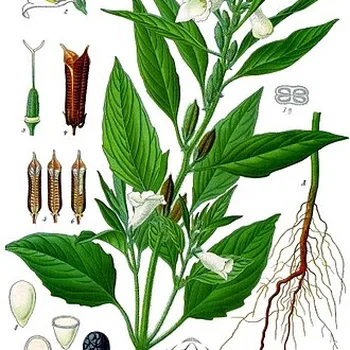
Whole Black Sesame Seeds
The fragrant black seed and guardian of bone density in Eastern medicine: tiny, unhulled charcoal-black seeds that beat hulled white sesame in antioxidants and minerals, giving dishes and baked goods a pure, toasted, nutty flavour.
Glycemic index
Glycemic load
Calories
Protein
💡 Smart Nutritional Guidance
Consumption advice
Sprinkle a tablespoon (10 g) over salads, noodles, eggs or oats; chew well or crush lightly to release the calcium and minerals locked in the hull.
Best preparation methods
Toasting them lightly in a dry pan for a minute awakens the aromatic oils and the antioxidant sesamin and makes them easier to digest.
Important Nutritional Note
Their glycemic index is low (25) and their glycemic load nil (0.3); one of the richest plant sources of calcium, iron and zinc, which matter for bone health after forty.
Nutrition facts
| Nutrient | Per 100 g | Per typical portion (10 g) |
|---|---|---|
| Calories | 573 kcal | 57.3 kcal |
| Protein | 17.7 g | 1.8 g |
| Carbohydrate | 23.4 g | 2.3 g |
| Available carbohydrate | 11.6 g | 1.2 g |
| Fat | 49.7 g | 5 g |
| Dietary fibre | 11.8 g | 1.2 g |
The typical portion is approximate, for comparison purposes.
Comparison & smarter alternatives
Among the foods in Nuts & seeds with a glycemic index (15), it ranks 14 (lowest first).
Smart alternatives from the same family:
Frequently asked questions
What is the difference between black and white sesame?
Black sesame keeps its whole natural hull, so it contains much more calcium, fibre and polyphenols than hulled white sesame.
Does black sesame help prevent grey hair and hair loss?
It is used for this in traditional Chinese medicine, and its copper, iron and fatty acids support hair follicles and melanin production, although direct scientific evidence is limited.
What is the nutritional value of a tablespoon (10 g)?
It gives you 57 kcal, 1.8 g protein, 5 g healthy fat and 1.2 g available (net) carbohydrate with 1.2 g fibre.
Reviewed by the WiBo Health medical team · Last reviewed 13 October 2026
Disclaimer: This guidance is for nutritional lifestyle orientation and does not constitute a diagnostic medical device under EU Regulation MDR 2017/745.