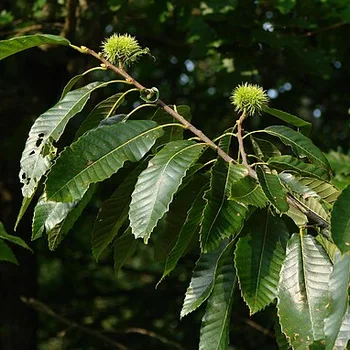
Water Chestnuts
Water chestnuts are a crunchy aquatic vegetable much loved in Chinese cooking, and they keep their wonderful juicy crunch even after long cooking. They have a low glycemic index (clinically reviewed estimate ≈50) and a gentle glycemic load, making them a cheerful addition that breaks the monotony of diet dishes.
Glycemic index
Glycemic load
Calories
Protein
💡 Smart Nutritional Guidance
Consumption advice
Slice them and add them to trays of roasted vegetables or healthy noodle dishes; their crunch gives a satisfying feeling that replaces processed crisps.
Best preparation methods
They are usually added in the last minutes of cooking to keep their juiciness and natural crunch; rinse canned ones with water to remove any metallic taste.
Important Nutritional Note
Despite their name they are not tree nuts but aquatic corms, free of the usual allergens and rich in vitamin B6 and manganese.
Nutrition facts
| Nutrient | Per 100 g | Per typical portion (80 g) |
|---|---|---|
| Calories | 50 kcal | 40 kcal |
| Protein | 0.9 g | 0.7 g |
| Carbohydrate | 12 g | 9.6 g |
| Available carbohydrate | 10.4 g | 8.3 g |
| Fat | 0.1 g | 0.1 g |
| Dietary fibre | 1.6 g | 1.3 g |
The typical portion is approximate, for comparison purposes.
Comparison & smarter alternatives
Among the foods in Vegetables with a glycemic index (12), it ranks 10 (lowest first).
Smart alternatives from the same family:
Frequently asked questions
Do water chestnuts raise blood sugar quickly?
Their glycemic index is low (≈50) and their starch is complex and mixed with water and fibre, so they do not cause a sharp rise when the portion is controlled.
How many calories are in 80 g of water chestnuts?
The portion contains about 40 kcal, less than 1 g of protein, 1.3 g of fibre and around 10 g of slowly digested carbohydrate.
Are water chestnuts suitable for people with nut allergies?
Yes, completely: they are not nuts at all but a water plant that grows in marshes, and they are safe for people allergic to tree nuts and peanuts.
Reviewed by the WiBo Health medical team · Last reviewed 13 October 2026
Disclaimer: This guidance is for nutritional lifestyle orientation and does not constitute a diagnostic medical device under EU Regulation MDR 2017/745.