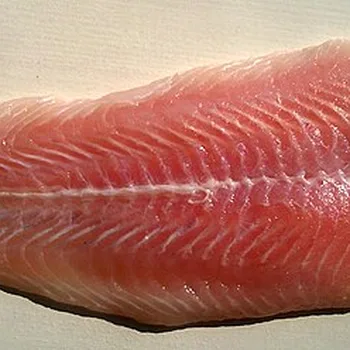
Turbot Fish Fillet
Turbot is known as the king of fine seafood tables, with a rich, gelatinous texture and a deep flavour. Being completely free of starch, so a glycemic index does not apply, it offers a regal protein meal that supports muscles and steady insulin levels.
Glycemic index
Glycemic load
Calories
Protein
💡 Smart Nutritional Guidance
Consumption advice
Enjoy your portion with a light sauce of fresh herbs and lemon juice, alongside a green salad dressed with extra virgin olive oil.
Best preparation methods
It cooks best in the oven at a moderate temperature with slices of tomato and fennel; its thick flesh holds in its natural juices without any extra oil.
Important Nutritional Note
Rich in zinc, magnesium and omega-3, which are essential for healthy arteries, easing insulin resistance and improving cell sensitivity.
Nutrition facts
| Nutrient | Per 100 g | Per typical portion (150 g) |
|---|---|---|
| Calories | 95 kcal | 142.5 kcal |
| Protein | 19.8 g | 29.7 g |
| Carbohydrate | 0 g | 0 g |
| Available carbohydrate | 0 g | 0 g |
| Fat | 1.5 g | 2.2 g |
| Dietary fibre | 0 g | 0 g |
The typical portion is approximate, for comparison purposes.
Comparison & smarter alternatives
It provides 20.8 g of protein per 100 kcal, ranking 12 of 49 in Meat, fish & eggs (highest first).
Related foods from the same family:
Frequently asked questions
Does turbot raise blood sugar?
Not at all. Turbot contains no carbohydrate and causes no rise in blood sugar or sudden insulin release.
Is turbot suitable for keto and low-carb diets?
It is a golden choice for keto and low-carb diets, being a very pure seafood protein with a share of healthy, beneficial fats.
What is the nutritional value of a 150 g portion of turbot?
The portion provides about 140 kcal and around 30 g of high-quality protein, plus essential omega-3 fatty acids.
Reviewed by the WiBo Health medical team · Last reviewed 13 October 2026
Disclaimer: This guidance is for nutritional lifestyle orientation and does not constitute a diagnostic medical device under EU Regulation MDR 2017/745.