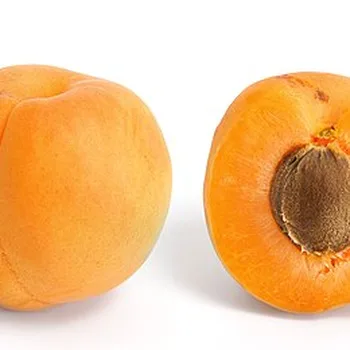
Sun-Dried Wild Mountain Apricots (Unsulfured)
Dark mountain apricots ripened in pure sunlight and dried naturally without sulphur dioxide, so they keep their deep earthy brown colour and an authentic caramel-honey taste rich in energy and potassium.
Glycemic index
Glycemic load
Calories
Protein
💡 Smart Nutritional Guidance
Consumption advice
Eat 3 to 4 apricots (a 40 g portion) before exercise as excellent muscle fuel, or with walnuts as a snack that stops dizziness and energy dips.
Best preparation methods
Choose brown dried apricots and avoid bright orange ones; the orange colour shows that sulphites were used, which can trigger allergies and asthma attacks in sensitive people.
Important Nutritional Note
Their glycemic index is low (30) and the glycemic load of a 40 g portion is 6.7; very rich in potassium, which balances sodium and helps lower high blood pressure.
Nutrition facts
| Nutrient | Per 100 g | Per typical portion (40 g) |
|---|---|---|
| Calories | 241 kcal | 96.4 kcal |
| Protein | 3.4 g | 1.4 g |
| Carbohydrate | 63 g | 25.2 g |
| Available carbohydrate | 55.7 g | 22.3 g |
| Fat | 0.5 g | 0.2 g |
| Dietary fibre | 7.3 g | 2.9 g |
The typical portion is approximate, for comparison purposes.
Comparison & smarter alternatives
Among the foods in Dates & dried fruit with a glycemic index (9), it ranks 4 (lowest first).
Smart alternatives from the same family:
Frequently asked questions
Why do naturally dried apricots have a dark brown colour?
Because the fruit sugars caramelise naturally in the heat of the sun without the sulphur that preserves the orange colour; the brown colour is a sign of natural drying.
Do dried apricots help with constipation and anaemia?
Yes. They contain cellulose fibre and sorbitol, which stimulate the bowel, plus plant iron and vitamin A to support the blood and eyesight.
What is the nutritional value of a 40 g portion (about 4 apricots)?
It gives you 96 kcal, 1.4 g protein, 2.9 g fibre and 22.3 g quick-energy natural carbohydrate.
Reviewed by the WiBo Health medical team · Last reviewed 13 October 2026
Disclaimer: This guidance is for nutritional lifestyle orientation and does not constitute a diagnostic medical device under EU Regulation MDR 2017/745.