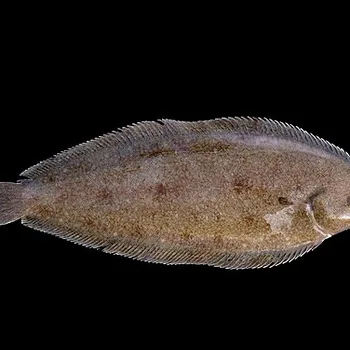
Grilled Dover Sole
Sole is one of the most delicate and delicious white sea fish, prized for its tender flesh and exceptionally easy digestion. It contains no starch at all, so a glycemic index does not apply, making it an ideal meal for people with diabetes and anyone losing weight, with no worry about blood sugar rising.
Glycemic index
Glycemic load
Calories
Protein
💡 Smart Nutritional Guidance
Consumption advice
Serve sole fillet with lightly sautéed vegetables such as courgette and broccoli; its lightness makes it a stomach-friendly dinner that keeps you full for a long time without feeling heavy at bedtime.
Best preparation methods
It is best oven-grilled with a drizzle of olive oil, lemon juice and garlic; avoid frying it in flour and plenty of butter to keep it light and heart-friendly.
Important Nutritional Note
An exceptional choice for people with irritable bowel syndrome or digestive sensitivities, and for those with slow stomach emptying, thanks to its delicate muscle fibres.
Nutrition facts
| Nutrient | Per 100 g | Per typical portion (150 g) |
|---|---|---|
| Calories | 86 kcal | 129 kcal |
| Protein | 17.5 g | 26.2 g |
| Carbohydrate | 0 g | 0 g |
| Available carbohydrate | 0 g | 0 g |
| Fat | 1.2 g | 1.8 g |
| Dietary fibre | 0 g | 0 g |
The typical portion is approximate, for comparison purposes.
Comparison & smarter alternatives
It provides 20.3 g of protein per 100 kcal, ranking 15 of 49 in Meat, fish & eggs (highest first).
Related foods from the same family:
Frequently asked questions
Is sole suitable for diabetes and weight loss?
Absolutely. It is lean protein with almost no fat or starch, keeps blood sugar completely stable and supports fat loss thanks to its low calorie content.
How many calories and how much protein are in a typical portion of sole?
A 150 g portion of cooked sole contains about 130 kcal and 26 g of lean protein, with practically no starch.
What is the difference between oven-baked and fried sole?
Grilling keeps it light, whereas frying in butter and flour can triple the calories and adds unwanted saturated fat.
Reviewed by the WiBo Health medical team · Last reviewed 13 October 2026
Disclaimer: This guidance is for nutritional lifestyle orientation and does not constitute a diagnostic medical device under EU Regulation MDR 2017/745.