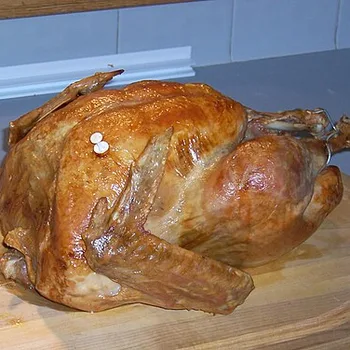
Smoked Turkey Breast Slices
Smoked turkey breast slices are a practical, very popular choice for sandwiches and quick meals during work and study. They contain no starch, so a glycemic index does not apply, and they supply pure, ready-to-eat protein that boosts your mental energy and activity.
Glycemic index
Glycemic load
Calories
Protein
💡 Smart Nutritional Guidance
Consumption advice
Roll smoked turkey slices around cucumber or pepper sticks with a piece of cottage cheese for a snack that keeps you full for a long time without touching bread.
Best preparation methods
Always choose slices cut from whole breast (whole muscle) and avoid minced, re-formed processed meats full of starch and soy.
Important Nutritional Note
Important clinical warning for people with high blood pressure or kidney disease: smoked meats contain nitrates and relatively high sodium, so eat them in moderation and choose low-sodium versions.
Nutrition facts
| Nutrient | Per 100 g | Per typical portion (50 g) |
|---|---|---|
| Calories | 104 kcal | 52 kcal |
| Protein | 22 g | 11 g |
| Carbohydrate | 1.2 g | 0.6 g |
| Available carbohydrate | 1.2 g | 0.6 g |
| Fat | 1.1 g | 0.6 g |
| Dietary fibre | 0 g | 0 g |
The typical portion is approximate, for comparison purposes.
Comparison & smarter alternatives
It provides 21.2 g of protein per 100 kcal, ranking 9 of 49 in Meat, fish & eggs (highest first).
Related foods from the same family:
Frequently asked questions
Is smoked turkey allowed on keto and diets?
Yes, and it is ideal, but read the label to make sure no caramelised sugar or corn syrup has been added for smoking.
What is the nutritional value of a 50 g portion of smoked turkey breast?
The portion contains about 55 kcal, 11 g of protein, less than 1 g of fat and less than 1 g of carbohydrate.
Do smoked meats cause fluid retention?
Yes, if they are salty, so drink two glasses of water with them and eat potassium-rich foods such as cucumber and avocado.
Reviewed by the WiBo Health medical team · Last reviewed 13 October 2026
Disclaimer: This guidance is for nutritional lifestyle orientation and does not constitute a diagnostic medical device under EU Regulation MDR 2017/745.