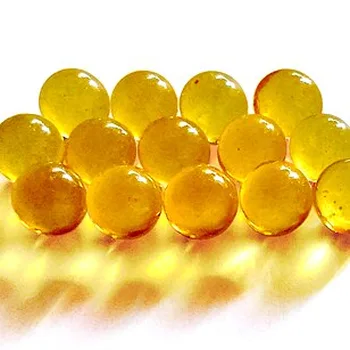
Pure Norwegian Cod Liver Oil (Vitamin D & A)
Our grandparents’ golden supplement and the immunity secret of Scandinavian children: a pure oil from the livers of wild Arctic cod, combining natural marine omega-3 (EPA and DHA) with a high natural dose of vitamins D3 and A in a single spoon.
Glycemic index
Glycemic load
Calories
Protein
💡 Smart Nutritional Guidance
Consumption advice
Take a teaspoon (5 ml) with lunch or breakfast; the fat in the meal improves the absorption of the fat-soluble vitamins D and A.
Best preparation methods
Choose molecularly distilled brands free of mercury and heavy metals, preferably with a natural flavour such as lemon to mask the fishy taste, and always keep it in the fridge after opening.
Important Nutritional Note
It contains no carbohydrate, so the glycemic index does not apply; useful for people with diabetes to support eye and joint health and to balance immunity, thanks to natural vitamin D3. Note for pregnant women: do not exceed the recommended dose and ask your doctor, because high doses of vitamin A can harm the unborn baby.
Nutrition facts
| Nutrient | Per 100 g | Per typical portion (5 g) |
|---|---|---|
| Calories | 900 kcal | 45 kcal |
| Protein | 0 g | 0 g |
| Carbohydrate | 0 g | 0 g |
| Available carbohydrate | 0 g | 0 g |
| Fat | 100 g | 5 g |
| Dietary fibre | 0 g | 0 g |
The typical portion is approximate, for comparison purposes.
Comparison & smarter alternatives
It has 900 kcal per 100 g, ranking 10 of 10 in Healthy fats (lowest first).
Related foods from the same family:
Frequently asked questions
What is the difference between cod liver oil and regular fish oil?
Regular fish oil comes from the flesh of fish and provides only omega-3, while cod liver oil comes from the liver and, besides omega-3, contains concentrated natural vitamins D3 and A.
Does cod liver oil protect against osteoporosis and depression?
Natural vitamin D3 helps fix calcium in the bones, and DHA is one of the brain’s key building blocks, supporting mood and helping fight winter depression.
What is the nutritional value of a teaspoon (5 g)?
It contains 45 kcal and 5 g fat, of which about 1 g is omega-3 (EPA and DHA), and covers most or all of the daily need for vitamin D3, depending on the product.
Reviewed by the WiBo Health medical team · Last reviewed 13 October 2026
Disclaimer: This guidance is for nutritional lifestyle orientation and does not constitute a diagnostic medical device under EU Regulation MDR 2017/745.