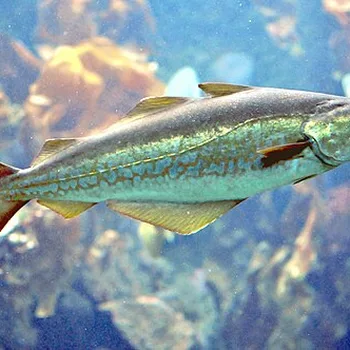
Atlantic Pollock
Pollock is the unsung hero of northern seafood: tender white flesh and a sustainable source of B vitamins and high-quality protein. It contains no starch, so a glycemic index does not apply, making it an excellent food for supporting calorie burning and steady energy all day.
Glycemic index
Glycemic load
Calories
Protein
💡 Smart Nutritional Guidance
Consumption advice
Enjoy it in a hearty fish and vegetable soup, or oven-baked with roasted broccoli and cauliflower to boost your daily fibre.
Best preparation methods
Steaming it or baking it in the oven with slices of ginger and lemon keeps it fresh and preserves its full nutritional value without added fat.
Important Nutritional Note
It has one of the lowest mercury levels among sea fish, making it safe and ideal for regular eating by families and pregnant women.
Nutrition facts
| Nutrient | Per 100 g | Per typical portion (150 g) |
|---|---|---|
| Calories | 82 kcal | 123 kcal |
| Protein | 18.2 g | 27.3 g |
| Carbohydrate | 0 g | 0 g |
| Available carbohydrate | 0 g | 0 g |
| Fat | 0.6 g | 0.9 g |
| Dietary fibre | 0 g | 0 g |
The typical portion is approximate, for comparison purposes.
Comparison & smarter alternatives
It provides 22.2 g of protein per 100 kcal, ranking 3 of 49 in Meat, fish & eggs (highest first).
Related foods from the same family:
Frequently asked questions
Is pollock the same fish used in fast-food fish burgers?
Often, yes, but the health difference is huge: the plain fish is excellent, while coating it in breadcrumbs and frying it in commercial oil destroys its benefits.
What is the nutritional value of a 150 g portion of pollock?
It gives you about 125 kcal, 27 g of pure protein and a negligible amount of fat, with zero sugar.
Does pollock help regulate insulin levels?
Yes. It supplies amino acids that promote fullness and muscle building without raising blood sugar at all.
Reviewed by the WiBo Health medical team · Last reviewed 13 October 2026
Disclaimer: This guidance is for nutritional lifestyle orientation and does not constitute a diagnostic medical device under EU Regulation MDR 2017/745.