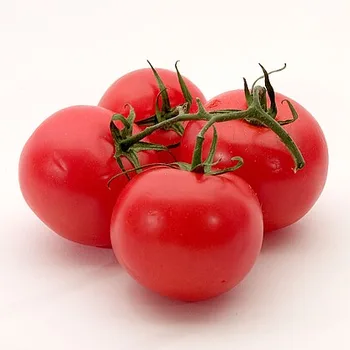
Italian Peeled Plum Tomatoes
Italian peeled plum tomatoes (pelati) are the secret of great Italian restaurants for the tastiest home-made sauces, full of the flavour of sweet, sun-ripened tomatoes. Their glycemic index does not apply because their carbohydrate is low, and they are the best choice for a healthy sauce free of added sugar and preservatives.
Glycemic index
Glycemic load
Calories
Protein
💡 Smart Nutritional Guidance
Consumption advice
Crush them by hand in a warm pan with garlic cloves, extra virgin olive oil and fresh basil leaves for a healthy, sugar-free marinara sauce.
Best preparation methods
Choose tins that contain only whole tomatoes and tomato juice, without extra salt or added sugar; cooking them gently with a healthy fat such as olive oil multiplies their benefits.
Important Nutritional Note
Cooking and canning make the powerful antioxidant lycopene up to four times more absorbable than in raw tomatoes; it is one of the strongest antioxidants for protecting the prostate and the heart.
Nutrition facts
| Nutrient | Per 100 g | Per typical portion (100 g) |
|---|---|---|
| Calories | 22 kcal | 22 kcal |
| Protein | 1.2 g | 1.2 g |
| Carbohydrate | 4.5 g | 4.5 g |
| Available carbohydrate | 3.1 g | 3.1 g |
| Fat | 0.2 g | 0.2 g |
| Dietary fibre | 1.4 g | 1.4 g |
The typical portion is approximate, for comparison purposes.
Comparison & smarter alternatives
It has 22 kcal per 100 g, ranking 20 of 57 in Vegetables (lowest first).
Related foods from the same family:
Frequently asked questions
Do pelati tomatoes raise blood sugar in people with diabetes?
No. Their sugars are natural and come with fibre and a mild acidity that slows stomach emptying.
What is the nutritional value of a 100 g portion of pelati tomatoes?
Only about 20 kcal, 1 g of protein, 1.5 g of fibre and around 4.5 g of light natural carbohydrate.
Do pelati tomatoes cause heartburn?
They can trigger heartburn in people with active reflux; you can soften their acidity by cooking them with grated carrot instead of adding sugar.
Reviewed by the WiBo Health medical team · Last reviewed 13 October 2026
Disclaimer: This guidance is for nutritional lifestyle orientation and does not constitute a diagnostic medical device under EU Regulation MDR 2017/745.