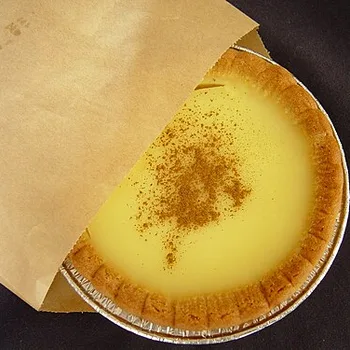
Portuguese Custard Tart (Pastel de Nata)
Pastel de nata (the famous Portuguese custard tart) is a Lisbon masterpiece, with a flaky, crisp shell and a warm caramelised custard filling. It has a medium glycemic index (clinically reviewed estimate ≈62) and is a luxurious treat for special occasions, balanced by fewer starches during the rest of the day.
Glycemic index
Glycemic load
Calories
Protein
💡 Smart Nutritional Guidance
Consumption advice
Enjoy one small tart as dessert straight after a lunch rich in fibre and protein, to prevent a sharp rise in blood sugar.
Best preparation methods
Dust the top with a little real cinnamon; it brings out the traditional flavour and naturally helps improve the cells' insulin sensitivity.
Important Nutritional Note
The tart contains egg yolks, sugar and butter-rich puff pastry, which makes it high in calories and saturated fat for people with high cholesterol.
Nutrition facts
| Nutrient | Per 100 g | Per typical portion (60 g) |
|---|---|---|
| Calories | 298 kcal | 178.8 kcal |
| Protein | 4.8 g | 2.9 g |
| Carbohydrate | 36 g | 21.6 g |
| Available carbohydrate | 35.2 g | 21.1 g |
| Fat | 15 g | 9 g |
| Dietary fibre | 0.8 g | 0.5 g |
The typical portion is approximate, for comparison purposes.
Comparison & smarter alternatives
Among the foods in Sweets & desserts with a glycemic index (27), it ranks 12 (lowest first).
Smart alternatives from the same family:
Frequently asked questions
Can someone with diabetes taste a pastel de nata?
Yes, half a tart or one small tart (60 g) on special occasions after a complete meal, counting about 21 g of fast carbohydrate.
What is the nutritional value of one pastel de nata (60 g)?
It provides about 180 kcal, 3 g of protein, 9 g of fat and around 22 g of carbohydrate and sugars.
Why is its glycemic index medium (62) and not very high?
Because the fat and protein in the egg yolks and cream slow stomach emptying compared with purely sugary sweets.
Reviewed by the WiBo Health medical team · Last reviewed 13 October 2026
Disclaimer: This guidance is for nutritional lifestyle orientation and does not constitute a diagnostic medical device under EU Regulation MDR 2017/745.