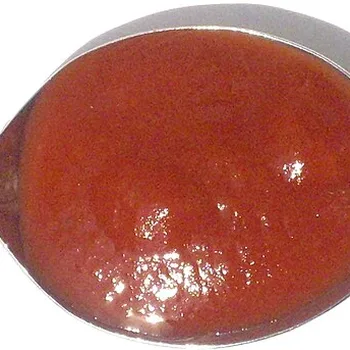
Tomato Passata (Strained)
Tomato passata is pure tomato, strained of skins and seeds to a completely silky smoothness, and the basis of clean home cooking. Its glycemic index does not apply because it is so light, and it is a pure, healthy alternative to concentrated commercial tomato paste and sugary ketchup.
Glycemic index
Glycemic load
Calories
Protein
💡 Smart Nutritional Guidance
Consumption advice
Use it as the base for cooking vegetables, meat and oven dishes, or as a quick sauce for oat-crust or wholegrain pizza.
Best preparation methods
Read the ingredient list: it should contain only 'strained tomatoes', with no more than 0.5% salt and no sugar or thickening starch.
Important Nutritional Note
Very rich in potassium, vitamin C and fat-soluble lycopene, which help keep blood vessels flexible and control systolic blood pressure.
Nutrition facts
| Nutrient | Per 100 g | Per typical portion (100 g) |
|---|---|---|
| Calories | 28 kcal | 28 kcal |
| Protein | 1.3 g | 1.3 g |
| Carbohydrate | 5.4 g | 5.4 g |
| Available carbohydrate | 3.9 g | 3.9 g |
| Fat | 0.2 g | 0.2 g |
| Dietary fibre | 1.5 g | 1.5 g |
The typical portion is approximate, for comparison purposes.
Comparison & smarter alternatives
It has 28 kcal per 100 g, ranking 4 of 9 in Sauces, pickles & olives (lowest first).
Related foods from the same family:
Frequently asked questions
What is the difference between passata and ordinary tomato sauce?
Passata is pure, natural pressed tomato, strained without being cooked into a sauce, and without added sugar or starch, unlike ready-made sauces.
How many calories are in 100 g of passata?
About 25 kcal, 1.2 g of protein and around 4 g of natural carbohydrate, with no fat.
Is passata suitable for people with insulin resistance?
Absolutely, as long as it has no added sugar; it gives dishes a wonderful flavour without affecting blood sugar.
Reviewed by the WiBo Health medical team · Last reviewed 13 October 2026
Disclaimer: This guidance is for nutritional lifestyle orientation and does not constitute a diagnostic medical device under EU Regulation MDR 2017/745.