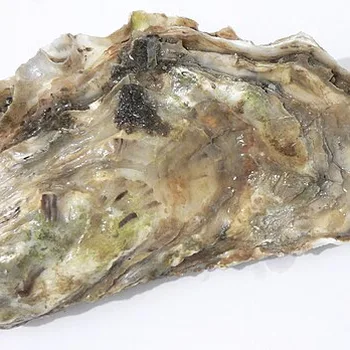
Fresh Raw Oysters
Oysters are the richest natural food on earth in zinc, with a sea-fresh flavour full of minerals and vitality. Their glycemic index does not apply because their carbohydrate content is very low, and they are a powerful natural boost for immunity, hormone production and insulin health.
Glycemic index
Glycemic load
Calories
Protein
💡 Smart Nutritional Guidance
Consumption advice
They are best eaten raw and fresh with a few drops of lemon juice, or steamed with a pinch of dill and a little olive oil.
Best preparation methods
If you cook them, two minutes of steaming until the shells open is enough; avoid oysters fried in flour batter, which adds unhelpful starch and unhealthy fat.
Important Nutritional Note
Their concentrated zinc helps the beta cells of the pancreas make and store insulin; however, pregnant women and people with weakened immunity should avoid raw oysters to prevent Vibrio infection.
Nutrition facts
| Nutrient | Per 100 g | Per typical portion (100 g) |
|---|---|---|
| Calories | 68 kcal | 68 kcal |
| Protein | 7 g | 7 g |
| Carbohydrate | 3.9 g | 3.9 g |
| Available carbohydrate | 3.9 g | 3.9 g |
| Fat | 2.5 g | 2.5 g |
| Dietary fibre | 0 g | 0 g |
The typical portion is approximate, for comparison purposes.
Comparison & smarter alternatives
It provides 10.3 g of protein per 100 kcal, ranking 35 of 49 in Meat, fish & eggs (highest first).
Related foods from the same family:
Frequently asked questions
Why are oysters so useful against insulin resistance?
Because they contain the highest natural level of zinc, the mineral directly involved in building and activating insulin receptors in the cells.
How many calories are in a 100 g portion of oysters?
Only about 70 kcal, with 7 g of protein and an unmatched supply of vitamin B12, iron and copper.
Can people with kidney disease eat oysters freely?
They should consult their doctor, because oysters are very rich in phosphorus, seafood protein and minerals that may need close medical monitoring.
Reviewed by the WiBo Health medical team · Last reviewed 13 October 2026
Disclaimer: This guidance is for nutritional lifestyle orientation and does not constitute a diagnostic medical device under EU Regulation MDR 2017/745.