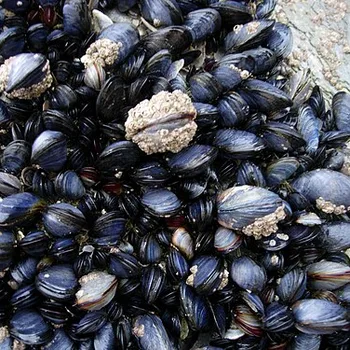
Zeeland Steamed Mussels
Mussels are among the most popular and beneficial seafoods: attractive orange meat with a rich, much-loved taste, offering a nourishing meal at a sensible price. Their glycemic index does not apply, and they are a true mine of iron that fights anaemia and chronic fatigue.
Glycemic index
Glycemic load
Calories
Protein
💡 Smart Nutritional Guidance
Consumption advice
A famous and healthy dish is mussels cooked in a tomato, garlic and herb broth; spoon up the broth and enjoy the fullness without needing white bread.
Best preparation methods
Cook them for a few minutes in a covered pot with onion, chopped garlic, coriander and lemon juice, and discard straight away any mussel that does not open during cooking.
Important Nutritional Note
They contain exceptional amounts of vitamin B12 and iron and a little more glycogen than most seafood, so their carbohydrate counts as about 4 g per 100 g, which is a very small amount.
Nutrition facts
| Nutrient | Per 100 g | Per typical portion (150 g) |
|---|---|---|
| Calories | 86 kcal | 129 kcal |
| Protein | 11.9 g | 17.9 g |
| Carbohydrate | 3.7 g | 5.6 g |
| Available carbohydrate | 3.7 g | 5.6 g |
| Fat | 2.2 g | 3.3 g |
| Dietary fibre | 0 g | 0 g |
The typical portion is approximate, for comparison purposes.
Comparison & smarter alternatives
It provides 13.8 g of protein per 100 kcal, ranking 32 of 49 in Meat, fish & eggs (highest first).
Related foods from the same family:
Frequently asked questions
Do mussels help with iron deficiency and anaemia?
Very much. They contain well-absorbed haem iron in amounts comparable to red meat, with far fewer calories and less fat.
What is the nutritional value of a 150 g portion of cooked mussels?
It gives you about 130 kcal, 18 g of high-quality protein and more than 300% of your daily vitamin B12 needs.
Do mussels raise blood sugar in people with diabetes?
They have no real effect on blood sugar thanks to their low natural starch and their high, filling protein content.
Reviewed by the WiBo Health medical team · Last reviewed 13 October 2026
Disclaimer: This guidance is for nutritional lifestyle orientation and does not constitute a diagnostic medical device under EU Regulation MDR 2017/745.