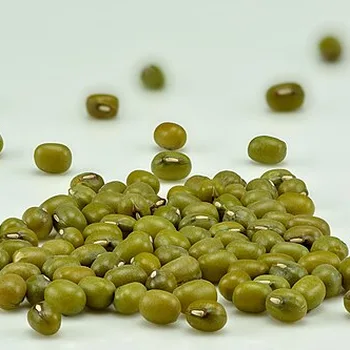
Cooked Mung Beans
Mung beans are among the oldest and most valued healing pulses in folk and Asian medicine, known for their cleansing and cooling properties. They have a very low glycemic index (clinically reviewed estimate ≈25) and are a treasure for supporting liver health and lowering cholesterol.
Glycemic index
Glycemic load
Calories
Protein
💡 Smart Nutritional Guidance
Consumption advice
Eat them boiled in soup or added to green salads, and try them sprouted (mung bean sprouts) to maximise their antioxidants and living enzymes.
Best preparation methods
Soak mung beans in warm water for 6 to 8 hours before cooking, then simmer them with a pinch of ginger and turmeric to make them easier to digest and reduce the phytates that block absorption.
Important Nutritional Note
They contain anti-inflammatory flavonoids such as vitexin and isovitexin, which help protect blood vessels from oxidative stress.
Nutrition facts
| Nutrient | Per 100 g | Per typical portion (150 g) |
|---|---|---|
| Calories | 105 kcal | 157.5 kcal |
| Protein | 7 g | 10.5 g |
| Carbohydrate | 19 g | 28.5 g |
| Available carbohydrate | 11.4 g | 17.1 g |
| Fat | 0.4 g | 0.6 g |
| Dietary fibre | 7.6 g | 11.4 g |
The typical portion is approximate, for comparison purposes.
Comparison & smarter alternatives
Among the foods in Legumes with a glycemic index (16), it ranks 4 (lowest first).
Smart alternatives from the same family:
Frequently asked questions
Do mung beans help reduce insulin resistance?
Yes, strongly. Thanks to their very low glycemic index and high content of active peptides, they improve the cells' sensitivity to glucose.
How many calories and how much protein are in a 150 g portion of cooked mung beans?
It contains about 160 kcal, 11 g of plant protein and 11 g of fibre, with almost no fat.
Do mung beans cause gas like other pulses?
Mung beans are one of the easiest pulses to digest and the least likely to cause gas, and they become even lighter and more digestible when soaked or sprouted.
Reviewed by the WiBo Health medical team · Last reviewed 13 October 2026
Disclaimer: This guidance is for nutritional lifestyle orientation and does not constitute a diagnostic medical device under EU Regulation MDR 2017/745.