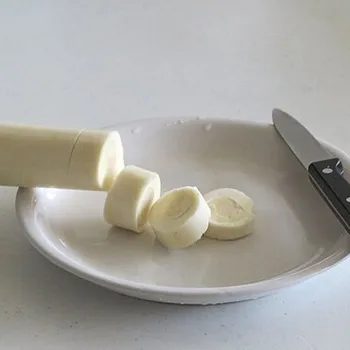
Hearts of Palm
Hearts of palm are a fine, distinctive food taken from the inner core of palm trees, known for their tender, asparagus-like texture and soft, ivory flavour. Their glycemic index does not apply because they have no meaningful net carbohydrate, and they are a very popular substitute in diet and keto recipes.
Glycemic index
Glycemic load
Calories
Protein
💡 Smart Nutritional Guidance
Consumption advice
Slice them into rounds and add them to an avocado and tomato salad, or cut them lengthwise and use them as a healthy substitute for fettuccine with pesto.
Best preparation methods
Rinse them in cold water to remove the acidic packing liquid, and eat them cold and crisp or steam them briefly without overcooking so they don't go limp.
Important Nutritional Note
Rich in potassium, copper and zinc, naturally low in sodium and high in fibre, which helps keep the bowels regular.
Nutrition facts
| Nutrient | Per 100 g | Per typical portion (100 g) |
|---|---|---|
| Calories | 28 kcal | 28 kcal |
| Protein | 2.5 g | 2.5 g |
| Carbohydrate | 4.6 g | 4.6 g |
| Available carbohydrate | 2.2 g | 2.2 g |
| Fat | 0.6 g | 0.6 g |
| Dietary fibre | 2.4 g | 2.4 g |
The typical portion is approximate, for comparison purposes.
Comparison & smarter alternatives
It has 28 kcal per 100 g, ranking 28 of 57 in Vegetables (lowest first).
Related foods from the same family:
Frequently asked questions
Are hearts of palm suitable for a keto diet?
They are one of the best-known keto foods worldwide: their net carbohydrate is close to zero and they give meals a satisfying texture.
How many calories are in 100 g of hearts of palm?
The portion contains only about 30 kcal, 2.5 g of protein and around 2.5 g of fibre, which helps keep blood sugar stable.
How can they be used instead of pasta?
They are also sold as ready-cut 'pasta' strips, or you can cut them by hand and toss them with natural tomato sauce for two minutes so they look just like pasta.
Reviewed by the WiBo Health medical team · Last reviewed 13 October 2026
Disclaimer: This guidance is for nutritional lifestyle orientation and does not constitute a diagnostic medical device under EU Regulation MDR 2017/745.