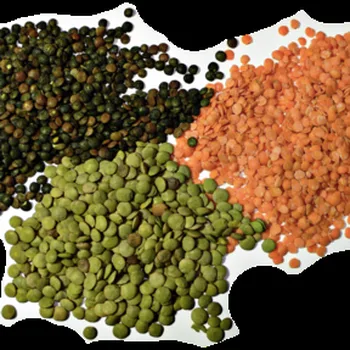
Dal Makhani Creamy Black Lentils
Dal makhani is a jewel of Punjabi cooking: whole black lentils (urad dal) and red kidney beans slow-cooked for hours over gentle heat with tomato, butter, ginger and a little cream. It has a low glycemic index (clinically reviewed estimate ≈38) and makes a filling, silky-smooth vegetarian meal.
Glycemic index
Glycemic load
Calories
Protein
💡 Smart Nutritional Guidance
Consumption advice
Have a warm bowl with a spoon as a main dish, or scoop it up with a wholemeal roti; the protein and soluble fibre keep you full for hours.
Best preparation methods
Slow cooking releases the black lentils' natural buttery texture; you can cut the butter and cream to one spoonful and rely on the lentils themselves for creaminess.
Important Nutritional Note
Black lentils and kidney beans are rich in soluble fibre, iron and magnesium, a combination that helps lower LDL cholesterol and improve HbA1c.
Nutrition facts
| Nutrient | Per 100 g | Per typical portion (200 g) |
|---|---|---|
| Calories | 110 kcal | 220 kcal |
| Protein | 5 g | 10 g |
| Carbohydrate | 13 g | 26 g |
| Available carbohydrate | 9 g | 18 g |
| Fat | 4.2 g | 8.4 g |
| Dietary fibre | 4 g | 8 g |
The typical portion is approximate, for comparison purposes.
Comparison & smarter alternatives
Among the foods in Indian dishes with a glycemic index (5), it ranks 3 (lowest first).
Smart alternatives from the same family:
Frequently asked questions
Is dal makhani suitable for people with diabetes and insulin resistance?
Absolutely: its glycemic index is low (≈38), and its complex fibre ensures a slow release of glucose into the blood without insulin spikes.
What is the nutritional value of a 200 g portion of dal makhani?
The portion contains about 220 kcal, 10 g of plant protein, 8 g of excellent fibre and around 26 g of slowly digested carbohydrate.
What is the difference between dal makhani and ordinary yellow Indian dal?
Yellow dal is light, quick and runny, while dal makhani is made from whole black lentils and kidney beans, with a heavy, velvety texture and deep spiced flavour.
Reviewed by the WiBo Health medical team · Last reviewed 13 October 2026
Disclaimer: This guidance is for nutritional lifestyle orientation and does not constitute a diagnostic medical device under EU Regulation MDR 2017/745.