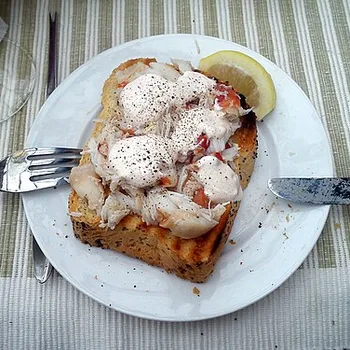
Cooked Crab Meat
Natural crab meat is a protein-rich seafood treat with a naturally sweet taste that comes from amino acids, not added sugar. Its glycemic index does not apply because it contains no meaningful carbohydrate, and it is a treasure of immune-supporting minerals such as zinc and selenium.
Glycemic index
Glycemic load
Calories
Protein
💡 Smart Nutritional Guidance
Consumption advice
Enjoy fresh natural crab meat with a squeeze of lemon over an avocado and lettuce salad; beware of processed crab sticks (surimi), which are full of commercial starch.
Best preparation methods
Quick steaming with a bay leaf and a slice of lemon is the best way to bring out its sweet meat without rich sauces or mayonnaise.
Important Nutritional Note
Caution for people with gout or high uric acid: shellfish contain moderate amounts of purines, so eat them in moderation and drink plenty of water.
Nutrition facts
| Nutrient | Per 100 g | Per typical portion (100 g) |
|---|---|---|
| Calories | 87 kcal | 87 kcal |
| Protein | 18.1 g | 18.1 g |
| Carbohydrate | 0 g | 0 g |
| Available carbohydrate | 0 g | 0 g |
| Fat | 1.1 g | 1.1 g |
| Dietary fibre | 0 g | 0 g |
The typical portion is approximate, for comparison purposes.
Comparison & smarter alternatives
It provides 20.8 g of protein per 100 kcal, ranking 13 of 49 in Meat, fish & eggs (highest first).
Related foods from the same family:
Frequently asked questions
What is the difference between natural crab meat and crab sticks (surimi)?
Natural crab meat is pure, starch-free protein, whereas processed surimi sticks contain added starch and sugar that raise blood sugar.
How many calories are in a typical 100 g portion of crab?
It contains about 85 kcal and 18 g of protein with almost no fat, which makes it excellent for weight loss.
Does crab meat raise bad cholesterol?
The dietary cholesterol in crab does not raise blood cholesterol in most people, as long as it is cooked and eaten without large amounts of melted butter.
Reviewed by the WiBo Health medical team · Last reviewed 13 October 2026
Disclaimer: This guidance is for nutritional lifestyle orientation and does not constitute a diagnostic medical device under EU Regulation MDR 2017/745.