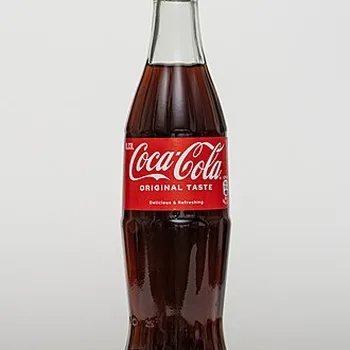
Coca Cola
DrinksThe world's best-known soft drink: a refined, quickly absorbed sugar solution with no protein, fibre or nutritional value, and a high glycemic index (63) that puts heavy demand on insulin.
Glycemic index
Glycemic load
Calories
Protein
💡 Smart Nutritional Guidance
Consumption advice
One can (330 ml) contains about 9 teaspoons of sugar (36 g), which enter the bloodstream within minutes; best avoided altogether if you have diabetes or a fatty liver.
Best preparation methods
Replace it with natural sparkling water with lemon slices and mint leaves, or unsweetened iced tea, to enjoy the refreshment without the sugar.
Important Nutritional Note
Contains caffeine: keep intake moderate, especially in the evening, and ask your doctor if you are pregnant or take medication affected by caffeine.
Nutrition facts
| Nutrient | Per 100 g | Per typical portion (330 g) |
|---|---|---|
| Calories | 42 kcal | 138.6 kcal |
| Protein | 0 g | 0 g |
| Carbohydrate | 11 g | 36.3 g |
| Available carbohydrate | 11 g | 36.3 g |
| Fat | 0 g | 0 g |
| Dietary fibre | 0 g | 0 g |
The typical portion is approximate, for comparison purposes.
Comparison & smarter alternatives
Among the foods in Drinks with a glycemic index (9), it ranks 9 (lowest first).
Smart alternatives from the same family:
Frequently asked questions
Is Coca Cola good for weight loss?
Yes. Coca Cola is very low in calories (42 kcal per 100 g), so you can eat a generous amount to add volume and fullness to a meal without many calories.
How does Coca Cola affect blood sugar?
Its glycemic index is 63 (Medium), a clinically reviewed estimate rather than a laboratory measurement. A typical 330 g portion has a glycemic load of 22.9 (High), so it is best to reduce or split the portion and combine it with protein and fibre.
What is the nutritional value of a typical portion of Coca Cola?
A typical 330 g portion of Coca Cola provides about 139 kcal, 0 g protein, 36.3 g carbohydrate, 0 g fat and 0 g fibre.
Reviewed by the WiBo Health medical team · Last reviewed 13 October 2026
Disclaimer: This guidance is for nutritional lifestyle orientation and does not constitute a diagnostic medical device under EU Regulation MDR 2017/745.