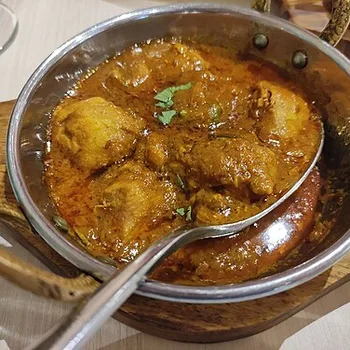
Chana Masala Spiced Chickpea Curry
Chana masala is the famous spicy chickpea curry of northern India: boiled chickpeas soaking up a sauce of tomato, onion, ginger, garam masala and dried mango powder (amchur). It has a very low glycemic index (clinically reviewed estimate ≈32) and is an iron-rich vegetarian meal for energy and vitality.
Glycemic index
Glycemic load
Calories
Protein
💡 Smart Nutritional Guidance
Consumption advice
Eat it with a spoon alongside a vegetable salad, fresh coriander and a squeeze of lemon; the lemon's acidity multiplies the absorption of the chickpeas' plant iron.
Best preparation methods
Soak the chickpeas overnight, and use amchur (unripe mango powder) or lemon juice for the authentic Indian tang without adding sugar.
Important Nutritional Note
Chickpea fibre feeds the gut microbiome very well, and its very low glycemic index makes it one of the best foods for blood-sugar control and reducing belly fat.
Nutrition facts
| Nutrient | Per 100 g | Per typical portion (200 g) |
|---|---|---|
| Calories | 105 kcal | 210 kcal |
| Protein | 5.5 g | 11 g |
| Carbohydrate | 15 g | 30 g |
| Available carbohydrate | 10.5 g | 21 g |
| Fat | 2.6 g | 5.2 g |
| Dietary fibre | 4.5 g | 9 g |
The typical portion is approximate, for comparison purposes.
Comparison & smarter alternatives
Among the foods in Indian dishes with a glycemic index (5), it ranks 2 (lowest first).
Smart alternatives from the same family:
Frequently asked questions
Does chana masala help with weight loss?
Very much so: chickpeas are rich in plant protein and fibre that trigger fullness hormones and curb appetite for hours after eating.
How many calories and how much protein are in a 200 g portion of chana masala?
The portion provides about 210 kcal, 11 g of plant protein, 9 g of excellent fibre and around 30 g of complex starch.
Do Indian chickpeas cause wind?
Cooking the chickpeas with fresh ginger, cumin seeds and nigella, as the Indian recipe does, breaks down the gas-forming sugars and makes them very easy to digest.
Reviewed by the WiBo Health medical team · Last reviewed 13 October 2026
Disclaimer: This guidance is for nutritional lifestyle orientation and does not constitute a diagnostic medical device under EU Regulation MDR 2017/745.