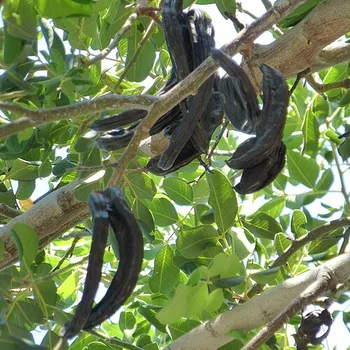
Natural Carob Molasses (High Calcium)
Natural carob molasses is the traditional mountain elixir of Lebanon and the Levant: a slowly boiled extract of carob pods with a dark flavour reminiscent of caramel and dark chocolate. It has a low glycemic index (clinically reviewed estimate ≈40) and is one of the healthiest, most mineral-rich natural sweeteners.
Glycemic index
Glycemic load
Calories
Protein
💡 Smart Nutritional Guidance
Consumption advice
Mix a teaspoon of carob molasses with a spoonful of pure sesame tahini as a remarkable natural alternative to halva or chocolate spread.
Best preparation methods
Always choose traditional molasses, extracted with water and boiled slowly, without any added cane sugar or commercial glucose syrup.
Important Nutritional Note
An exceptional source of plant calcium, iron, zinc and polyphenol antioxidants; it is excellent for soothing coughs and protecting the gut lining from diarrhoea and inflammation.
Nutrition facts
| Nutrient | Per 100 g | Per typical portion (15 g) |
|---|---|---|
| Calories | 265 kcal | 39.8 kcal |
| Protein | 1.8 g | 0.3 g |
| Carbohydrate | 64 g | 9.6 g |
| Available carbohydrate | 58.5 g | 8.8 g |
| Fat | 0.2 g | 0 g |
| Dietary fibre | 5.5 g | 0.8 g |
The typical portion is approximate, for comparison purposes.
Comparison & smarter alternatives
Among the foods in Special ingredients & supplements with a glycemic index (6), it ranks 3 (lowest first).
Smart alternatives from the same family:
Frequently asked questions
Why is carob molasses better for people with diabetes than date molasses and honey?
Because its glycemic index is low (≈40), and its natural fibres such as pectin slow the absorption of sugars into the blood.
What is the nutritional value of a tablespoon of natural carob molasses (15 g)?
It provides about 40 kcal, 0.3 g of protein, no fat and around 10 g of carbohydrate, with a good dose of calcium.
Does carob molasses help treat anaemia?
Yes. It is rich in iron, B vitamins and antioxidants that support the production of red blood cells.
Reviewed by the WiBo Health medical team · Last reviewed 13 October 2026
Disclaimer: This guidance is for nutritional lifestyle orientation and does not constitute a diagnostic medical device under EU Regulation MDR 2017/745.