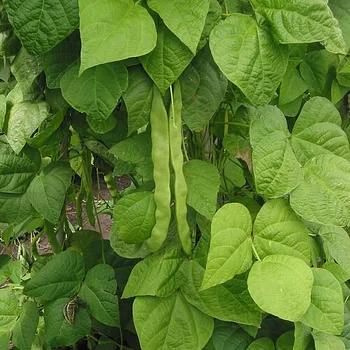
Cannellini White Beans
Italian cannellini beans are known for their luxurious, buttery-creamy texture and a soft, nutty flavour. They have a low glycemic index (clinically reviewed estimate ≈31) and a gentle glycemic load, making them the secret of fullness and elegance in Mediterranean dishes.
Glycemic index
Glycemic load
Calories
Protein
💡 Smart Nutritional Guidance
Consumption advice
Mash them lightly with extra virgin olive oil, garlic, rosemary and lemon juice for a delicious healthy dip instead of mayonnaise or ready-made sauces.
Best preparation methods
Add them to vegetable stews or Italian minestrone in the last quarter of an hour of cooking, so they absorb the flavours without losing their silky skins.
Important Nutritional Note
Rich in natural phaseolamin (an alpha-amylase inhibitor), which partly reduces the absorption of some of the complex starch in the meal.
Nutrition facts
| Nutrient | Per 100 g | Per typical portion (150 g) |
|---|---|---|
| Calories | 125 kcal | 187.5 kcal |
| Protein | 8.5 g | 12.8 g |
| Carbohydrate | 22 g | 33 g |
| Available carbohydrate | 15.2 g | 22.8 g |
| Fat | 0.5 g | 0.8 g |
| Dietary fibre | 6.8 g | 10.2 g |
The typical portion is approximate, for comparison purposes.
Comparison & smarter alternatives
Among the foods in Legumes with a glycemic index (16), it ranks 11 (lowest first).
Smart alternatives from the same family:
Frequently asked questions
Are cannellini beans suitable for weight-loss plans?
Yes. Their resistant starch and fibre boost fullness hormones in the gut and reduce fat storage around the belly.
How much protein and how many calories are in 150 g of cooked cannellini beans?
The portion contains about 190 kcal, 13 g of plant protein and 10 g of dietary fibre.
Are cannellini beans a good substitute for pasta and potatoes?
A far better one: they give the same filling texture with a much lower glycemic index and double the protein and fibre.
Reviewed by the WiBo Health medical team · Last reviewed 13 October 2026
Disclaimer: This guidance is for nutritional lifestyle orientation and does not constitute a diagnostic medical device under EU Regulation MDR 2017/745.