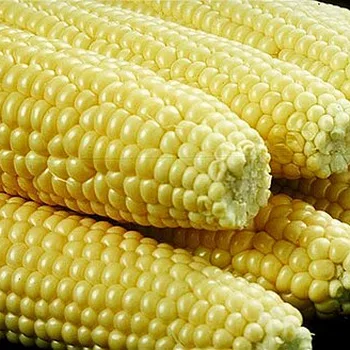
Canned Sweet Corn (No Sugar)
Canned sweet corn adds a touch of colour and a much-loved crunch to salads and modern stews with its pleasant natural sweetness. It has a low glycemic index (clinically reviewed estimate ≈46), but it should be treated as a complex starch, not as a free-portion leafy vegetable.
Glycemic index
Glycemic load
Calories
Protein
💡 Smart Nutritional Guidance
Consumption advice
Eat it as a measured part of a salad (two to three tablespoons) with lettuce and protein to reduce the effect of its natural sugars on your readings.
Best preparation methods
Rinse canned corn well under water to remove the packing liquid, which may contain added sugar and a lot of sodium, and check the label for 'no added sugar' tins.
Important Nutritional Note
Rich in carotenoid antioxidants such as lutein and zeaxanthin, which concentrate in the retina and protect vision from diabetic retinopathy and macular degeneration.
Nutrition facts
| Nutrient | Per 100 g | Per typical portion (80 g) |
|---|---|---|
| Calories | 86 kcal | 68.8 kcal |
| Protein | 2.7 g | 2.2 g |
| Carbohydrate | 19 g | 15.2 g |
| Available carbohydrate | 16.6 g | 13.3 g |
| Fat | 0.7 g | 0.6 g |
| Dietary fibre | 2.4 g | 1.9 g |
The typical portion is approximate, for comparison purposes.
Comparison & smarter alternatives
Among the foods in Vegetables with a glycemic index (12), it ranks 8 (lowest first).
Smart alternatives from the same family:
Frequently asked questions
Is canned sweet corn allowed for people with diabetes and on a diet?
Yes, but counted: it is rich in starch and natural sugars, so it belongs to the meal's carbohydrate portion and is not a free vegetable.
What is the nutritional value of an 80 g portion of canned sweet corn?
It contains about 70 kcal, 2.2 g of protein, 2 g of fibre and around 15 g of moderately absorbed starch.
Is canned corn different from fresh grilled corn on the cob?
Fresh grilled corn keeps more of its intact fibre and has no added sodium, but canned corn remains a practical choice if rinsed well.
Reviewed by the WiBo Health medical team · Last reviewed 13 October 2026
Disclaimer: This guidance is for nutritional lifestyle orientation and does not constitute a diagnostic medical device under EU Regulation MDR 2017/745.