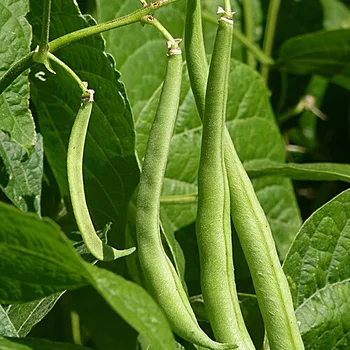
Borlotti Cranberry Beans
Borlotti beans (Roman cranberry beans) stand out for their attractive pink speckles and a rich taste reminiscent of cooked chestnuts. Their glycemic index is low (clinically reviewed estimate ≈28), and they give meals a hearty, wintery depth that replaces simple starches.
Glycemic index
Glycemic load
Calories
Protein
💡 Smart Nutritional Guidance
Consumption advice
A wonderful traditional dish is borlotti cooked with natural tomatoes, garlic and olive oil, eaten with a spoon alongside a fresh rocket salad.
Best preparation methods
If you use dried beans, soak them for 10 hours and change the soaking water twice to remove the complex sugars that cause bloating, before boiling.
Important Nutritional Note
An excellent source of folate and molybdenum, a rare and vital mineral that helps the liver break down harmful sulphite compounds.
Nutrition facts
| Nutrient | Per 100 g | Per typical portion (150 g) |
|---|---|---|
| Calories | 130 kcal | 195 kcal |
| Protein | 9.3 g | 14 g |
| Carbohydrate | 23 g | 34.5 g |
| Available carbohydrate | 15.5 g | 23.2 g |
| Fat | 0.6 g | 0.9 g |
| Dietary fibre | 7.5 g | 11.2 g |
The typical portion is approximate, for comparison purposes.
Comparison & smarter alternatives
Among the foods in Legumes with a glycemic index (16), it ranks 8 (lowest first).
Smart alternatives from the same family:
Frequently asked questions
Do borlotti beans raise HbA1c?
On the contrary: eating them regularly helps lower HbA1c thanks to their very slow absorption and steady insulin release.
What is the nutritional value of a 150 g portion of borlotti beans?
It provides about 195 kcal, 14 g of protein and 11 g of fibre, with almost no fat.
Why does their pretty speckled colour disappear when cooked?
Heat turns the anthocyanin pigments into an even creamy brown; this is completely normal and does not affect their high nutritional value.
Reviewed by the WiBo Health medical team · Last reviewed 13 October 2026
Disclaimer: This guidance is for nutritional lifestyle orientation and does not constitute a diagnostic medical device under EU Regulation MDR 2017/745.