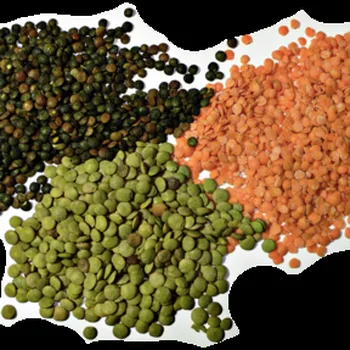
Beluga Black Lentils
Black beluga lentils are nicknamed the caviar of pulses for their elegant round shape, glossy black colour and refined texture that does not fall apart during cooking. They have a very low glycemic index (clinically reviewed estimate ≈28) and a gentle glycemic load, making them a royal choice for people with diabetes and heart disease.
Glycemic index
Glycemic load
Calories
Protein
💡 Smart Nutritional Guidance
Consumption advice
Add them cooked to a Mediterranean salad with white cheese, olive oil and lemon juice; their soluble fibre puts the brakes on any rise in blood sugar.
Best preparation methods
They need no soaking; simmer them in water with a clove of garlic and a pinch of cumin for 20 minutes until cooked but still firm, without turning mushy.
Important Nutritional Note
Their black colour comes from an exceptional concentration of anthocyanins (the same powerful antioxidant found in blueberries), which protect the lining of the arteries and fight oxidative stress.
Nutrition facts
| Nutrient | Per 100 g | Per typical portion (150 g) |
|---|---|---|
| Calories | 115 kcal | 172.5 kcal |
| Protein | 9.5 g | 14.2 g |
| Carbohydrate | 19 g | 28.5 g |
| Available carbohydrate | 10.5 g | 15.8 g |
| Fat | 0.5 g | 0.8 g |
| Dietary fibre | 8.5 g | 12.8 g |
The typical portion is approximate, for comparison purposes.
Comparison & smarter alternatives
Among the foods in Legumes with a glycemic index (16), it ranks 7 (lowest first).
Smart alternatives from the same family:
Frequently asked questions
Do black beluga lentils raise blood sugar after a meal?
Not at all. Their glycemic index is very low (≈28) and their high fibre gives a slow, steady release of glucose into the blood.
What is the nutritional value of a 150 g portion of cooked beluga lentils?
It provides about 170 kcal, 14 g of plant protein, 13 g of dietary fibre and 16 g of slowly absorbed complex net carbohydrate.
Why do chefs prefer beluga lentils over brown lentils in salads?
Because they keep their attractive firm shape and don't turn soft or soupy, giving a pleasant bite.
Reviewed by the WiBo Health medical team · Last reviewed 13 October 2026
Disclaimer: This guidance is for nutritional lifestyle orientation and does not constitute a diagnostic medical device under EU Regulation MDR 2017/745.