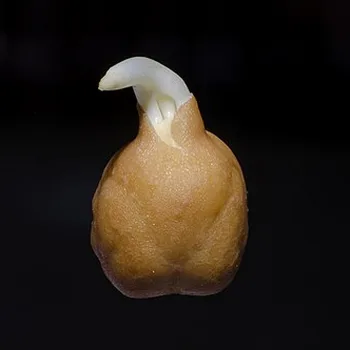
Balila Warm Spiced Chickpeas
Levantine and Hejazi balila is one of the tastiest and healthiest street foods of the old quarters: soft boiled chickpeas seasoned with cumin, olive oil, lemon, vinegar and pickles. It has a very low glycemic index (clinically reviewed estimate ≈28) and is an ideal healthy snack for fitness and fullness.
Glycemic index
Glycemic load
Calories
Protein
💡 Smart Nutritional Guidance
Consumption advice
Have a warm cup of balila with a spoon as a quick breakfast or filling afternoon snack; the acidity of lemon and vinegar with cumin gives a wonderful feeling of fullness.
Best preparation methods
Boil the chickpeas until very soft, then sprinkle with freshly ground cumin, extra virgin olive oil and a spoonful of vinegar, with slices of pickled turnip or crunchy cucumber.
Important Nutritional Note
An excellent source of zinc, magnesium and prebiotic fibre, which support blood-sugar balance and feed the friendly gut bacteria.
Nutrition facts
| Nutrient | Per 100 g | Per typical portion (150 g) |
|---|---|---|
| Calories | 155 kcal | 232.5 kcal |
| Protein | 8.2 g | 12.3 g |
| Carbohydrate | 24 g | 36 g |
| Available carbohydrate | 17 g | 25.5 g |
| Fat | 3.5 g | 5.2 g |
| Dietary fibre | 7 g | 10.5 g |
The typical portion is approximate, for comparison purposes.
Comparison & smarter alternatives
Among the foods in Arabic dishes with a glycemic index (37), it ranks 6 (lowest first).
Smart alternatives from the same family:
Frequently asked questions
Does balila raise blood sugar in people with diabetes?
Not at all: its glycemic index is very low (≈28), and its fibre prevents sugar spikes and improves the cells' insulin sensitivity.
How many calories and how much protein are in a typical cup of balila (150 g)?
The portion contains about 230 kcal, 12 g of plant protein, 10.5 g of excellent fibre and 5 g of healthy fat from olive oil.
Does balila cause bloating?
Soaking the chickpeas for 16 hours, boiling them well and adding cumin and lemon prevents bloating and makes them easy to digest.
Reviewed by the WiBo Health medical team · Last reviewed 13 October 2026
Disclaimer: This guidance is for nutritional lifestyle orientation and does not constitute a diagnostic medical device under EU Regulation MDR 2017/745.