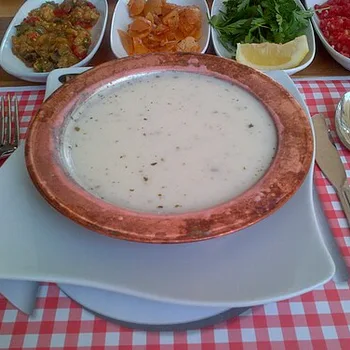
Yayla Turkish Yogurt Mint Soup
Turkish yayla soup (yayla çorbası, 'meadow soup') is a warm, refreshing yoghurt and rice soup fragrant with dried mint and olive oil, a traditional Anatolian symbol of healing. It has a low glycemic index (clinically reviewed estimate ≈40) and is a soothing balm for a tired stomach and gut.
Glycemic index
Glycemic load
Calories
Protein
💡 Smart Nutritional Guidance
Consumption advice
Have a warm bowl at the start of a meal or as a light dinner; the yoghurt and mint relax digestion and give a calm fullness before bed.
Best preparation methods
Use a measured amount of basmati rice or bulgur (two spoonfuls per pot), bind the soup with natural yoghurt and egg yolk, and finish with mint sizzled in olive oil.
Important Nutritional Note
Very easy to digest and rich in protein, calcium and zinc; clinically recommended after stomach bugs and for heartburn and bowel upsets.
Nutrition facts
| Nutrient | Per 100 g | Per typical portion (300 g) |
|---|---|---|
| Calories | 60 kcal | 180 kcal |
| Protein | 2.7 g | 8.1 g |
| Carbohydrate | 7.3 g | 21.9 g |
| Available carbohydrate | 6.8 g | 20.4 g |
| Fat | 2 g | 6 g |
| Dietary fibre | 0.5 g | 1.5 g |
The typical portion is approximate, for comparison purposes.
Comparison & smarter alternatives
Among the foods in Turkish dishes with a glycemic index (7), it ranks 2 (lowest first).
Smart alternatives from the same family:
Frequently asked questions
Does yoghurt yayla soup raise blood sugar in people with diabetes?
No. Its glycemic index is low (≈40), and the lactic acid and protein in the yoghurt brake the absorption of the small amount of rice.
What is the nutritional value of a typical bowl of yayla soup (300 g)?
A bowl provides about 180 kcal, 8 g of protein, 6 g of healthy fat and around 22 g of gentle carbohydrate.
Does yayla soup help strengthen immunity?
Yes. It combines the probiotic benefits of yoghurt with the anti-cramping, anti-inflammatory properties of mint and soothing warmth.
Reviewed by the WiBo Health medical team · Last reviewed 13 October 2026
Disclaimer: This guidance is for nutritional lifestyle orientation and does not constitute a diagnostic medical device under EU Regulation MDR 2017/745.