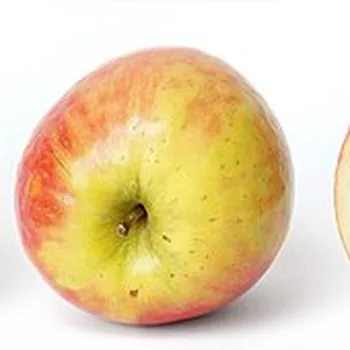
Turkish Apple Tea with Cinnamon
Turkish apple tea (elma çayı) is the fragrant drink of hospitality loved in Istanbul's bazaars: dried apple slices steeped with cinnamon sticks and cloves in boiling water. It has a low glycemic index (clinically reviewed estimate ≈30) and is a warm, refreshing, caffeine-free alternative without processed sugars.
Glycemic index
Glycemic load
Calories
Protein
💡 Smart Nutritional Guidance
Consumption advice
Drink it warm in classic Turkish tea glasses after meals or in the evening as a natural way to unwind and aid digestion.
Best preparation methods
Simmer natural apple slices and cinnamon sticks in a teapot without sugar, and beware of instant apple-tea powders full of sugar and artificial flavours.
Important Nutritional Note
Cinnamon and natural apple provide polyphenols that support the cells' insulin sensitivity and help soothe gut cramps and wind.
Nutrition facts
| Nutrient | Per 100 g | Per typical portion (250 g) |
|---|---|---|
| Calories | 10 kcal | 25 kcal |
| Protein | 0 g | 0 g |
| Carbohydrate | 2 g | 5 g |
| Available carbohydrate | 2 g | 5 g |
| Fat | 0 g | 0 g |
| Dietary fibre | 0 g | 0 g |
The typical portion is approximate, for comparison purposes.
Comparison & smarter alternatives
Among the foods in Drinks with a glycemic index (11), it ranks 1 (lowest first). This is one of the lowest-GI foods in its group.
Smart alternatives from the same family:
Frequently asked questions
Does natural Turkish apple tea raise blood sugar?
No. Made from real apple slices without added sugar, its carbohydrate is very low and its glycemic index very low too.
What is the difference between natural apple tea and instant powder?
Commercial powder is white sugar, citric acid and artificial flavours that sharply raise blood sugar, whereas the natural infusion is healthy and sugar-free.
What is the nutritional value of a cup of natural apple tea (250 ml)?
A cup contains about 25 kcal from the steeped apple, with no fat or protein and around 5 g of natural fruit sugar.
Reviewed by the WiBo Health medical team · Last reviewed 13 October 2026
Disclaimer: This guidance is for nutritional lifestyle orientation and does not constitute a diagnostic medical device under EU Regulation MDR 2017/745.