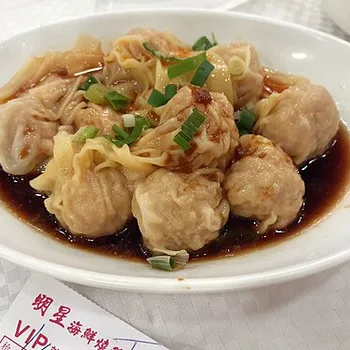
Turkish Manti Dumplings with Garlic Yogurt
Turkish manti (Kayseri mantısı) are tiny dumplings filled with minced meat and boiled, then topped with garlic yoghurt and butter browned with sumac and mint. They have a low glycemic index (clinically reviewed estimate ≈53), thanks to the generous yoghurt and meat filling that brake the starch of the dough.
Glycemic index
Glycemic load
Calories
Protein
💡 Smart Nutritional Guidance
Consumption advice
Be generous with the garlic yoghurt on top; the protein and acidity of the yoghurt lower the glucose spike from the dumpling starch.
Best preparation methods
Cook the manti al dente so they stay firm, which lowers their glycemic index, and use natural low-fat yoghurt and tomato sauce instead of drowning them in butter.
Important Nutritional Note
The garlic yoghurt provides probiotics and antibacterial allicin; people with diabetes or insulin resistance just need to watch the portion of dough.
Nutrition facts
| Nutrient | Per 100 g | Per typical portion (250 g) |
|---|---|---|
| Calories | 152 kcal | 380 kcal |
| Protein | 7.2 g | 18 g |
| Carbohydrate | 16.8 g | 42 g |
| Available carbohydrate | 15.9 g | 39.8 g |
| Fat | 5.6 g | 14 g |
| Dietary fibre | 0.9 g | 2.2 g |
The typical portion is approximate, for comparison purposes.
Comparison & smarter alternatives
Among the foods in Turkish dishes with a glycemic index (7), it ranks 6 (lowest first).
Smart alternatives from the same family:
Frequently asked questions
Is Turkish manti suitable for people with diabetes?
Yes, in moderation: its glycemic index is low (≈53) thanks to the yoghurt and meat, but keep to a moderate portion (one cup, 200–250 g).
What is the nutritional value of a plate of Turkish manti (250 g)?
A plate contains about 380 kcal, 18 g of protein, 14 g of fat and around 42 g of starch.
Why do Turkish families make manti so small?
A saying from Kayseri holds that a skilled cook fits 40 manti on a single tablespoon, a sign of mastery and fine dough!
Reviewed by the WiBo Health medical team · Last reviewed 13 October 2026
Disclaimer: This guidance is for nutritional lifestyle orientation and does not constitute a diagnostic medical device under EU Regulation MDR 2017/745.