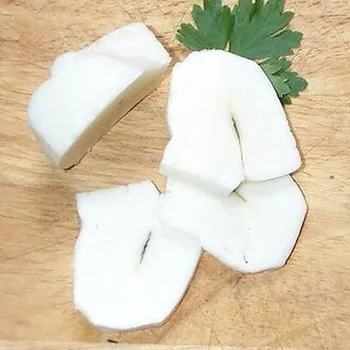
Grilled Halloumi with Watermelon & Mint
Grilled halloumi with watermelon is the most refreshing, cheerful Mediterranean summer pairing: the warm saltiness of halloumi with the cool, crisp sweetness of watermelon and mint leaves. It has a low glycemic index (clinically reviewed estimate ≈45), as the fat and protein of the cheese brake the absorption of the watermelon's fast sugar.
Glycemic index
Glycemic load
Calories
Protein
💡 Smart Nutritional Guidance
Consumption advice
Have two slices of grilled halloumi with a cup of chilled watermelon cubes and a sprinkle of fresh mint as a light, refreshing summer dinner.
Best preparation methods
Grill the halloumi slices in a dry non-stick grill pan for a minute on each side until golden, without any oil or butter.
Important Nutritional Note
Smartly combining protein and fat (halloumi) with a fast-sugar fruit (watermelon) is the ideal practical example of lowering a meal's glycemic load.
Nutrition facts
| Nutrient | Per 100 g | Per typical portion (200 g) |
|---|---|---|
| Calories | 185 kcal | 370 kcal |
| Protein | 12 g | 24 g |
| Carbohydrate | 9 g | 18 g |
| Available carbohydrate | 8.5 g | 17 g |
| Fat | 11 g | 22 g |
| Dietary fibre | 0.5 g | 1 g |
The typical portion is approximate, for comparison purposes.
Comparison & smarter alternatives
Among the foods in Salads with a glycemic index (9), it ranks 5 (lowest first).
Smart alternatives from the same family:
Frequently asked questions
Can someone with diabetes eat watermelon safely this way?
Yes, certainly: watermelon alone raises blood sugar quickly, but pairing it with halloumi brakes the sugar and makes it a safe, balanced meal.
How many calories are in a typical plate of halloumi and watermelon (200 g)?
A plate provides about 370 kcal, 24 g of excellent protein, 22 g of fat and around 18 g of refreshing natural carbohydrate.
Is halloumi suitable for people with high blood pressure?
Halloumi is relatively high in sodium, so soak the slices in warm water for 20 minutes before grilling to remove the excess salt.
Reviewed by the WiBo Health medical team · Last reviewed 13 October 2026
Disclaimer: This guidance is for nutritional lifestyle orientation and does not constitute a diagnostic medical device under EU Regulation MDR 2017/745.